

Author: Asheboro Honda Team
Figuring out how to pay for your new Honda is a big decision, just as important as picking the perfect model and color. The choice between financing and leasing can seem confusing, but it’s simpler than you might think. Understanding the key differences and benefits of each path is the secret to driving off the lot feeling confident and happy. As the team at Asheboro Honda, we’ve guided thousands of our neighbors through this process and want to provide you with that same level of clarity.
Table of Contents
Key Takeaways (TL; DR)
- Your Credit Score is Crucial: Your credit history is a primary factor that determines the interest rates and terms you will receive for any loan or lease. A better score means you’ll pay less over time.
- Honda Financial Services (HFS): Honda’s own financing company offers a seamless process with competitive rates and exclusive programs. You can often get pre-approved through HFS before setting foot in the dealership.
- Financing vs. Leasing: Financing is paying to own your Honda over time, building equity. Leasing is like a long-term rental, where you pay for the car's use, typically resulting in lower monthly payments.
- Lease-End Options: At the end of a Honda lease, you have flexibility. You can buy the car, lease a new one, or simply turn in the keys and walk away.
- Special Programs Save Money: Honda offers several incentive programs that can lower your costs, including deals for recent college graduates and members of the U.S. military.
- Preparation is a Must: Gather your documents like proof of income and ID, check your credit, and set a budget before you apply. This makes the entire process faster and smoother.
What Is Automotive Financing?
Automotive financing is how most people buy a vehicle. It involves taking out a loan from a lender, like Honda Financial Services, a bank, or a local credit union, to cover the cost of the car. You then repay that loan amount, plus interest, in predictable monthly payments over a specific time frame, which is called the loan term. When you choose to finance, you are on the path to full ownership of your Honda.
With every payment, you build equity, which is the value of the car that you own. Once the final payment is made, the lender sends you the vehicle’s title, and it’s yours, free and clear. This is a great choice for drivers who plan to keep their vehicle for a long time, customizing it to their liking and driving without mileage limits.
How Does Honda Financial Services (HFS) Work?

Honda Financial Services (HFS) is the official financing partner for Honda, created to give customers a smooth and integrated way to pay for their vehicles. It’s designed to be a one-stop shop at the dealership, offering attractive rates and special programs tailored for Honda buyers.
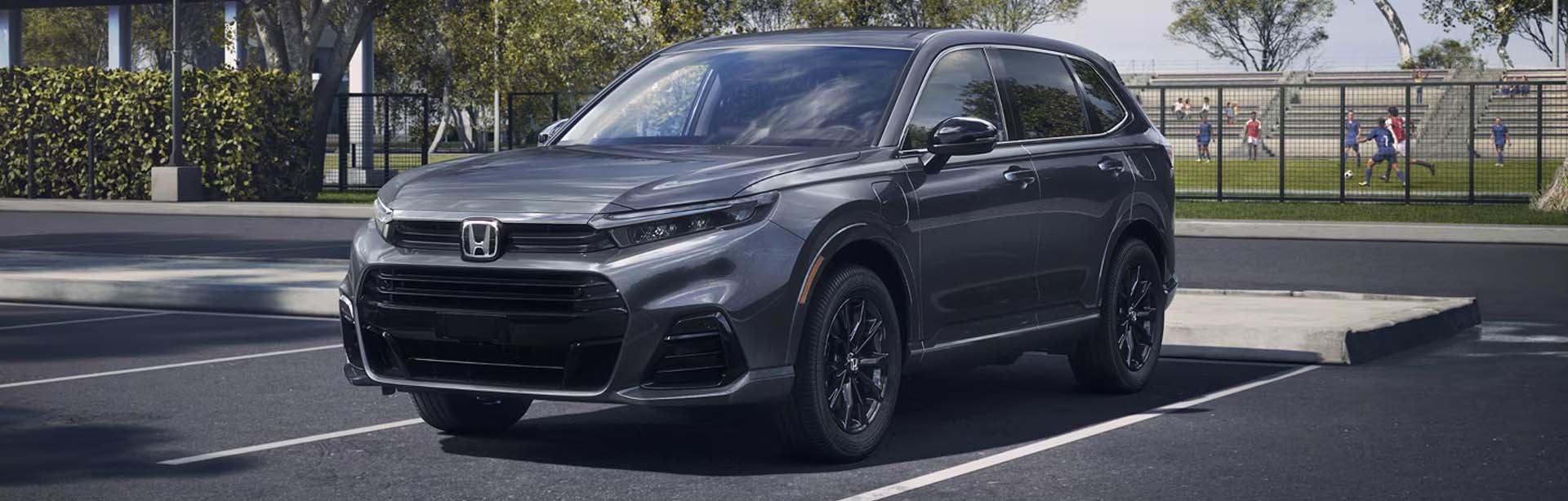
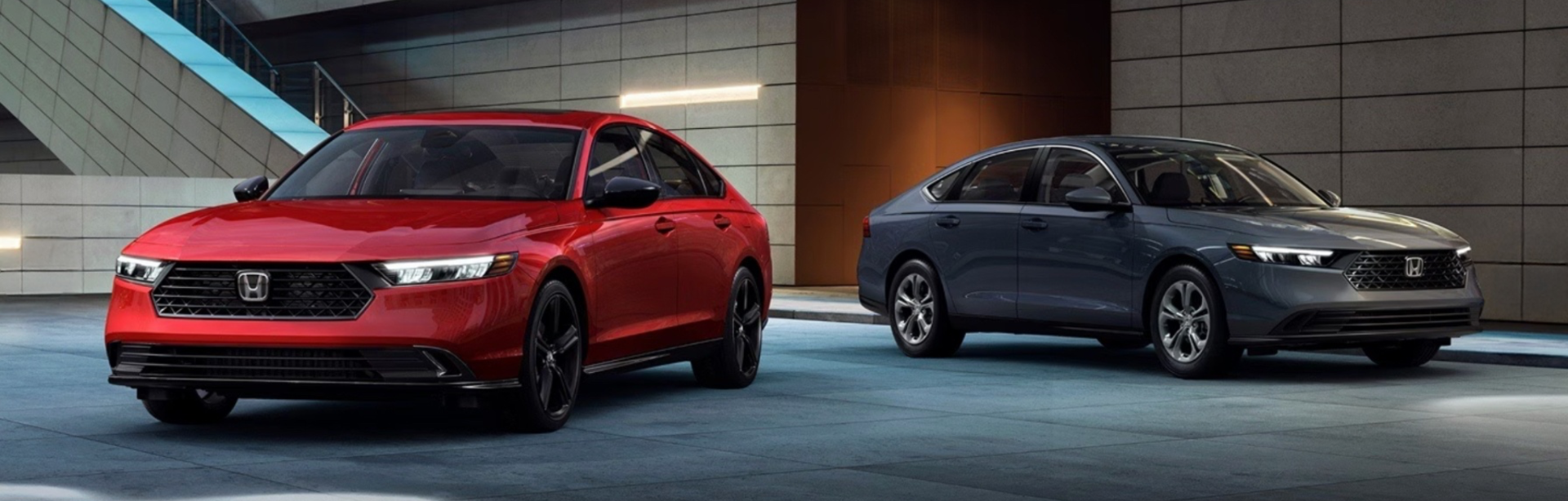
HFS collaborates directly with dealerships like ours in Asheboro. When you've picked out your new 2025 Honda CR-V or Accord, you can apply for financing right here with us or even start the process online.
HFS looks at your application, including your credit history and income, to figure out your eligibility for a loan or lease. As part of the Honda family, HFS often gives you access to exclusive offers you can't find elsewhere, like special Annual Percentage Rates (APRs) or loyalty bonuses. You can explore many of these national offers on the official Honda Financial Services website.
What Does It Mean to Lease a Honda?
Leasing a Honda is like entering a long-term rental agreement. You pay to use the car for a set period, usually between 24 and 36 months, instead of paying for the entire value of the vehicle. Your monthly lease payment covers the car's depreciation—the difference between its brand-new price and its projected value at the lease’s end, known as the residual value. You also pay interest (called a money factor) and fees.
This structure results in lower monthly payments compared to financing the same car. Leasing is perfect for drivers who love having the latest technology and safety features every few years and prefer a lower, more predictable monthly transportation cost.
What Are My Options When My Honda Lease Ends?
When your Honda lease term is over, you have three main choices, giving you fantastic flexibility. You can decide to purchase your leased vehicle, jump into a new lease, or just return the car and move on. This freedom is a major draw for leasing. Your best option will depend on how much you enjoyed the car, your current financial situation, and what your driving needs look like for the road ahead.
- Purchase Your Leased Honda: If you’ve fallen in love with your Honda and can’t imagine driving anything else, you can buy it. The purchase price is its residual value, which was set in your original contract, so there are no surprises. This is a smart move if the car has been reliable and its current market value, according to sources like Kelley Blue Book (KBB), is higher than the residual price.
- Lease or Buy a New Honda: Many drivers in the Greensboro and High Point area see the end of a lease as the perfect time to get another new car. You can turn in your current vehicle and easily sign a new lease or finance agreement for a 2025 model. Honda frequently offers loyalty incentives to thank returning customers for sticking with the brand.
- Return Your Vehicle: If your lifestyle has changed—maybe your commute from Lexington to Winston-Salem is shorter, or your family has grown—you can simply return the vehicle. You’ll need to schedule a free inspection to check for any excess wear or mileage over the limit, which might result in extra charges. After you settle your account, you’re free to walk away.
What Are the Key Differences Between Financing and Leasing?

The biggest difference between financing and leasing comes down to ownership. Financing leads to you owning the car, while leasing is essentially renting it for an extended period. This core distinction affects everything from your monthly payments to your responsibilities as a driver. Knowing these differences is vital for matching your choice with your personal and financial goals. A driver who values building an asset and wants to personalize their car has different needs than someone who wants a new vehicle every few years with minimal fuss.
| Feature | Financing a Honda | Leasing a Honda |
|---|---|---|
| Ownership | You own the vehicle and get the title after the loan is fully paid. | You don't own the vehicle; HFS or the leasing company does. |
| Monthly Payments | Payments are higher because you're paying off the car's entire value. | Payments are lower since you're only paying for its depreciation during your use. |
| Upfront Costs | A down payment of 10-20% is often recommended to lower payments and interest. | You usually pay the first month's payment, a security deposit, and acquisition fees. |
| Customization | You have the freedom to modify or add any accessories you want. | Modifications are not permitted; the car must be returned in its original state. |
| Mileage | There are no limits. You can drive from Asheboro to the coast and back as often as you like. | Leases have annual mileage caps (e.g., 10,000 or 12,000 miles), with fees for going over. |
| Wear & Tear | Normal wear is expected, but excessive damage will reduce your trade-in or resale value. | You are financially responsible for wear and tear beyond what is considered "normal" in your agreement. |
| End of Term | After the loan is paid, you own an asset you can keep, sell, or trade in. | You can return the vehicle, buy it for its residual value, or lease a new Honda. |
What Factors Determine My Financing or Lease Terms?
Multiple factors influence the financing or lease terms you're offered, but your credit score and down payment carry the most weight. Lenders analyze this data to gauge risk and decide on the interest rate and conditions they can provide. A strong application can save you thousands over the life of your agreement. On the other hand, a weaker financial profile might lead to higher costs or even make it harder to get approved.
- Your Credit Score: This three-digit number, which summarizes your credit history, is a top indicator of your financial dependability. A higher score (generally 700+) usually unlocks the best interest rates. A lower score might mean higher rates or a requirement for a larger down payment.
- The Down Payment: Putting more money down upfront reduces the amount you need to borrow. For financing, this means a smaller loan, less total interest paid, and a lower monthly payment. For leasing, this initial payment, called a capitalized cost reduction, also reduces your monthly payments.
- Loan or Lease Term Length: The duration of your agreement directly impacts your monthly payment. A longer term, like 72 or 84 months, results in a lower payment but means you'll pay much more in total interest. A shorter term, like 36 or 48 months, comes with higher payments but saves you significant money on interest charges.
- Vehicle Price and Type: The vehicle's cost is the foundation of your loan or lease amount. Additionally, manufacturers like Honda often roll out more promotional financing and lease deals for brand-new models compared to pre-owned vehicles.
- Your Income and Debt-to-Income Ratio: Lenders need to see that you have a stable income to comfortably manage the payments. They look at your debt-to-income (DTI) ratio to make sure the new car payment doesn't stretch your budget too thin.
Are There Unique Honda Programs I Can Qualify For?
Yes, Honda offers multiple special financing and lease programs designed to help specific buyers save money. These initiatives provide rebates or special interest rates for eligible customers, making it more affordable to get into a new Honda. These programs are built to reward loyalty and support members of our community, like students and military families. Always ask us which programs might apply to you.
- Honda College Graduate Program: Recent or soon-to-be college graduates can receive a rebate on a new Honda model. You will need to show proof of graduation and employment.
- Honda Military Appreciation Offer: To show gratitude for their service, Honda provides a rebate to eligible U.S. military members (active duty, reserves, retirees, and veterans within a certain timeframe of separation) and their spouses.
- Honda Loyalty Rewards: If you're a current Honda owner, you may qualify for loyalty benefits when you finance or lease a new model. These offers change but are created to keep you in the Honda family.
- Dealership and Regional Promotions: In addition to national offers, local dealerships often have their own promotions. These might include lease specials on specific models or financing deals you won't see advertised elsewhere.
For more in-depth research on vehicle pricing and features, resources like Edmunds offer expert reviews and value estimates.
How Do I Apply for Honda Financing or a Lease?
Applying for Honda financing or a lease is a simple process that you can begin online or finish at our dealership in Asheboro. The first step is usually to get pre-qualified, which shows you what you can likely afford without affecting your credit score. Having your paperwork ready will make the application process fast and efficient. The ultimate goal is to get you from shopping to driving your new Honda with minimal delay.
Here’s a quick guide to the process:
- Get Pre-Qualified Online: Our dealership website, along with the official HFS site, offers a simple pre-qualification tool. You enter some basic financial details and can see potential rates and terms in minutes.
- Gather Your Documents: To submit a full credit application, you’ll need a few key documents. This includes a valid driver's license, proof of income (like recent pay stubs), proof of residence (a utility bill works well), and proof of auto insurance.
- Complete the Full Application: You can fill out the detailed credit application online or in person with our finance team. This step requires a "hard" credit inquiry, which will be recorded on your credit report.
- Review and Sign the Contract: Once you're approved, our finance manager will go over the loan or lease agreement with you. This is the perfect time to ask any final questions about the APR, term length, monthly payment, and any optional protection plans before you sign.
Is It Better to Pay Cash or Finance a Car?
Paying with cash means you own the car immediately with no monthly payments or interest charges, which is a powerful financial position. However, it also means depleting a large amount of your savings that could be used for other investments or emergencies.
Financing, on the other hand, allows you to keep your savings liquid while you drive a new, reliable car. With the competitive interest rates often available from Honda, financing can be a strategic choice. It allows your savings to potentially grow in an investment account at a rate higher than your auto loan's interest rate, making your money work for you. Ultimately, the right choice depends on your personal financial health and goals.
How Does North Carolina's "Highway Use Tax" Work?
When you buy a car in North Carolina, you don’t pay a traditional sales tax. Instead, the state charges a Highway Use Tax (HUT), which is a one-time fee of 3% of the vehicle's purchase price.
This tax is collected by the dealership at the time of purchase and is capped at a certain amount for some vehicles. The HUT applies whether you finance, lease, or pay cash. The funds from this tax are dedicated to maintaining and improving North Carolina's roads, including major routes we all use like I-85, I-40, and US-64.
What Are the Pros and Cons of Each Payment Method?

Deciding between financing and leasing means comparing the advantages and disadvantages of each option against your own needs. Financing provides the long-term security of ownership, while leasing offers the short-term perks of lower payments and driving the newest models.
There isn't a universally "correct" answer; the best path is unique to you. Think about how long you want to keep the car, how many miles you drive between Winston-Salem and Greensboro, and whether owning an asset is more important than having a new car every few years.
Pros of Financing a Honda
- You Own It: After the last payment, the car is yours to keep, sell, or trade.
- No Mileage Penalties: Drive as much as you want without worrying about fees.
- Freedom to Personalize: You can add accessories or make modifications.
- Build Equity: Each payment increases your ownership stake in a valuable asset.
Cons of Financing a Honda
- Higher Monthly Payments: Your payments will be more than a lease for the same model.
- Long-Term Maintenance Costs: As the car ages, you are responsible for all repairs after the warranty expires.
- Depreciation: The vehicle's value declines over time, which impacts what you can sell it for later.
Pros of Leasing a Honda
- Lower Monthly Payments: Enjoy a new car for a smaller monthly cost.
- Drive a New Car More Often: Get the latest models and technology every few years.
- Fewer Maintenance Headaches: Most leases fall within the factory warranty period, minimizing unexpected repair bills.
- No Resale Worries: At the lease's end, you just return the car and don't have to deal with selling it.
Cons of Leasing a Honda
- No Ownership: You're renting the car and will have no equity when the term is over.
- Mileage Limits: Exceeding the annual mileage cap leads to expensive per-mile charges.
- Wear and Tear Fees: You may have to pay for damage that goes beyond "normal" use.
- No Customization: The vehicle must be returned in its original, unmodified condition.
You can use Honda's online payment calculator to help estimate and compare costs for both financing and leasing.
What Are Some Tips for Getting the Best Deal?
Securing the best deal on your Honda financing or lease requires good timing, solid research, and smart negotiation. By being an informed customer, you can save a substantial amount of money.
Arm yourself with knowledge before you visit the dealership. Understanding the process and knowing what to ask for gives you a powerful advantage.
- Check Your Credit Score First: Knowing your score beforehand gives you a clear idea of what rates to expect. It also lets you spot and dispute any errors on your credit report that could be holding your score down.
- Shop Around for Financing: Don’t just take the first financing offer you receive. Get quotes from your own bank or a local credit union to compare with the dealership's offer. This provides leverage and ensures you get a competitive rate. A great resource for comparing lenders is NerdWallet.
- Time Your Purchase Strategically: Deals are often best at the end of the month, quarter, or model year when dealerships are focused on meeting sales goals. Holiday sales events are also excellent times to find special promotions.
- Negotiate the Vehicle Price First: The car's price is the starting point for your entire deal. Agree on the purchase price before you discuss financing or leasing terms to keep the numbers transparent.
- Understand All the Numbers: For a lease, focus on the capitalized cost (the car's price), the residual value, and the money factor (interest rate). For financing, concentrate on the total loan amount, the APR, and the term length to grasp the true cost.
Frequently Asked Questions (FAQs)
What credit score do I need for Honda financing?
While Honda Financial Services works with a range of credit profiles, a score in the prime category (generally 670 or higher) is often needed to qualify for the most attractive offers. To get the best promotional rates, such as 0.9% or 1.9% APR, a credit score above 720 is typically required.
Is it hard to get approved by Honda Financial Services?
Getting approved is not necessarily difficult, as HFS aims to help a wide spectrum of buyers. Approval for a loan is easier than qualifying for the top-tier promotional rates. Factors like a stable income, a reasonable down payment, and a low debt-to-income ratio will greatly improve your chances.
Does Honda offer 0% financing?
Honda sometimes offers 0% financing on select new models for highly qualified buyers with excellent credit. These offers are usually for shorter loan terms (e.g., 36 or 48 months) and are part of national or regional sales events.
Can you negotiate the price on a Honda lease?
Yes, you absolutely can and should negotiate the price of a leased Honda. The vehicle’s sale price, known as the capitalized cost, is a key component in calculating your monthly payment. A lower capitalized cost will directly result in a lower monthly lease payment.
About Asheboro Honda
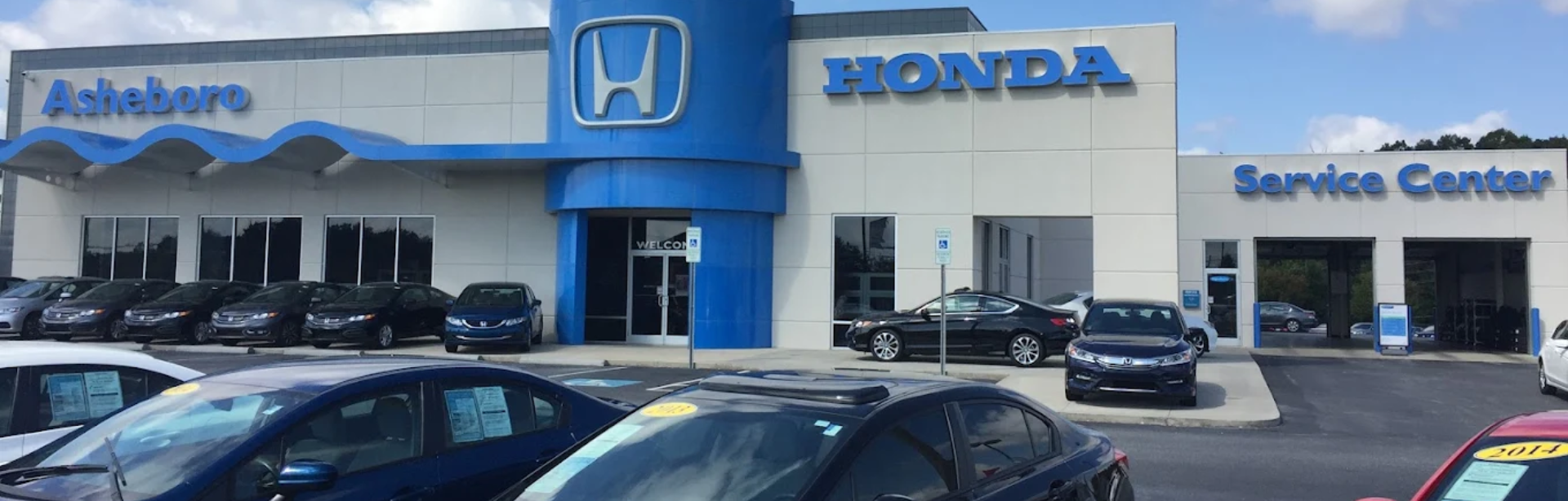
Asheboro Honda, a family and veteran-owned dealership serving the community since 1996, is proud to be the #1 new car volume dealer in Randolph County and southern Greensboro. Recognized for excellence, Asheboro Honda has earned prestigious accolades like the Honda Presidents Circle and the Better Business Bureau's Torch Award for Ethics. Beyond sales, we are deeply committed to our community, supporting initiatives like the United Way car giveaway and the Santa Sleigh project, which brings joy to children in need every holiday season.
Related Article: The Ultimate Guide to Finding Your Perfect Honda Dealer in Asheboro, NC