
Author: Asheboro Honda Team
Deciding to part ways with your current Honda is a major financial step, whether you're upgrading or simply selling. The process of getting the best value for your vehicle can seem complex, especially with the options of trading in or selling privately. As the team at Asheboro Honda, we've helped thousands of drivers from across the Piedmont Triad navigate this process, and we want to share our expertise with you. We're here to provide a clear, step-by-step guide to ensure you feel confident and get the most for your car.
Table of Contents
Key Takeaways (TL; DR)
- Preparation Pays Off: A well-cleaned and maintained Honda, complete with service records, will always fetch a higher price from a dealership or private buyer. Taking the time to detail your car is one of the best investments you can make.
- Documentation is Power: Having your vehicle's title, a complete service history, and a recent vehicle history report on hand makes the process smoother and builds trust, leading to better offers.
- Negotiate Separately: For the best outcome at a dealership, always finalize the price of your new vehicle before beginning negotiations on your trade-in value. This keeps the two transactions distinct and clear.
- Know Your Car's True Worth: Before you start, understand your Honda's market value by using online tools like Kelley Blue Book and getting real offers. This research is your most powerful negotiation tool.
- Trade-In vs. Private Sale: Trading in offers unmatched convenience, speed, and significant tax advantages. A private sale might bring a higher price but demands much more of your time, effort, and personal risk.
What is the First Step in Selling My Honda?
The absolute first step is to accurately determine what your Honda is worth in the current market. Before negotiating, you need a clear, data-driven understanding of its value. This knowledge is your foundation for every decision that follows, whether you trade it in or sell it yourself.
To get a full picture, you should consult multiple sources. Begin with respected online valuation tools. Websites like Kelley Blue Book (KBB), Edmunds, and the NADA guides offer estimates based on your Honda's specific model, trim, mileage, condition, and location in the Asheboro area. It’s important to get both the "trade-in" and "private party" values, as they will be different.
Beyond online estimators, it’s smart to see what similar Hondas are actually listed for right here in the Triad. Check listings on Autotrader, Cars.com, and even Facebook Marketplace for Greensboro, Winston-Salem, and High Point. This real-world research validates the online numbers and helps you set a competitive and realistic price for your vehicle. Pay close attention to vehicles that match your car's trim level, like an Accord EX-L versus an LX, as features heavily influence value.
Should I Trade My Honda In or Sell It Privately?

The choice between trading in your Honda or selling it yourself hinges on what you value more: convenience or maximum profit. A trade-in at a dealership is the fastest and easiest route. A private sale typically yields more money but requires a significant investment of your time and effort.
Trading In Your Honda
- Convenience: This is the top benefit. You can drive your old car to a dealership like ours and leave in your new one the same day. The dealership team handles all the complex paperwork, from the title transfer to paying off any existing loan.
- Speed: The entire process can be finished in just a few hours. You avoid the entire hassle of creating listings, responding to endless texts and calls, arranging test drives on roads like US-64, and worrying about secure payment.
- Tax Savings: North Carolina offers a significant tax advantage. The value of your trade-in is subtracted from the purchase price of your new car before the 3% Highway Use Tax is calculated. If you buy a $40,000 vehicle and your trade-in is worth $15,000, you only pay tax on $25,000, saving you $450 instantly.
Selling Your Honda Privately
- Higher Price: This is the main reason people choose a private sale. By doing the work yourself, you can sell your Honda for closer to its retail value. You pocket the difference that would have been the dealer's margin for reconditioning and profit.
- Full Control: You manage the entire process. You set the asking price, screen potential buyers, and decide when and where the sale happens.
- Challenges: Selling privately is a lot of work. You need to take high-quality photos, write a compelling ad, field inquiries from strangers (many of whom aren't serious), and supervise test drives. You also face the risks of payment scams and the complexities of legal paperwork with the NCDMV.
The right decision is personal. If you want a seamless, stress-free move into a new vehicle, the trade-in path is your best option. If you have the time and are comfortable with the responsibilities, a private sale could be more financially rewarding.
How Do I Get My Honda Ready for Sale?
Preparing your Honda for sale is crucial for maximizing its appeal and value. A car that looks and feels well-cared-for tells buyers that it has been mechanically maintained, justifying a higher price. The objective is to present your vehicle in its best possible condition.
1. What Paperwork Should I Gather?
Before you start cleaning, get your documents organized. Having a complete file builds trust and speeds up the entire transaction.
- The Title: Find your vehicle's title. If you have a loan, your lender holds the title. You'll need to contact them to get the exact payoff amount for the loan.
- Service Records: Collect every maintenance receipt you have. A detailed service history from a reputable shop is powerful proof of proper care and can significantly boost your car's value.
- Owner's Manual: Ensure the original owner's manual is in the glove compartment. Buyers expect it to be there.
- Vehicle History Report: It’s a great idea to purchase your own report from a service like CarFax. This shows you are being transparent and allows you to address any issues noted in the report head-on.
2. How Should I Clean My Vehicle?
First impressions are formed in seconds. A sparkling clean Honda appears newer, better maintained, and more valuable.
- Exterior Wash and Wax: Give your car a thorough hand wash, paying special attention to the wheels, tires, and windows. Applying a coat of wax not only makes the paint shine but also gives it a smooth, slick feel that implies quality.
- Interior Detailing: This is where your effort makes a huge impact. Vacuum the carpets, seats, and trunk meticulously. Use specific cleaners for the dashboard, console, and upholstery, and don't forget to clean inside all storage compartments. Remove every personal item so a potential buyer can imagine it as their own.
- Odor Removal: Lingering smells from pets, smoke, or even the gym can kill a deal. Use an automotive-grade odor eliminator. A clean, neutral scent is always best. North Carolina's humidity can also trap musty smells, so airing out the car on a dry day is a good idea.
3. What Minor Repairs Should I Address?
You don't need a complete mechanical overhaul, but fixing small, noticeable problems offers an excellent return on your investment.
- Warning Lights: If any warning lights are on the dashboard, get them diagnosed. A glowing "Check Engine" light is a major red flag for any buyer or dealership appraiser.
- Tires and Brakes: Make sure the tires have good tread depth and are inflated to the correct PSI. If your brakes are making noise, it might be worth having them checked.
- Scratches and Dings: A touch-up paint pen from the dealership parts department can make minor scratches disappear. For small dents, a paintless dent removal specialist can be a surprisingly affordable solution.
- Fluids: Top off all essential fluids, like windshield washer fluid and coolant. If your car is close to its next oil change interval, getting it done shows proactive maintenance.
What is the "Secret" to Getting the Best Offer?
The least-discussed but most impactful strategy is understanding the dealership's perspective on your specific Honda model. Certain models, trims, and colors are "hot" in the local used car market. This demand is influenced by factors like fuel prices, seasonal needs, and regional preferences here in the Piedmont.
For instance, a low-mileage, all-wheel-drive Honda CR-V or Pilot is in high demand year-round for families navigating both city streets in Greensboro and trips to the Uwharrie National Forest. A fuel-efficient Civic or Accord is always a top seller for commuters on I-40 and I-85. If you own one of these sought-after models, you have more leverage because the dealer knows they can resell it quickly.
Before you go to the dealership, do a quick search for used versions of your exact car at that specific dealer. If they have very few or none in stock, your car is more valuable to them. Mention this in your negotiation: "I noticed you don't have many 2022 CR-V EX-L models on your lot right now. Mine is in great condition and could fill that gap for you." This shows you've done your homework and understand their inventory needs, shifting the negotiation in your favor.
What Documents Are Needed to Sell My Honda?
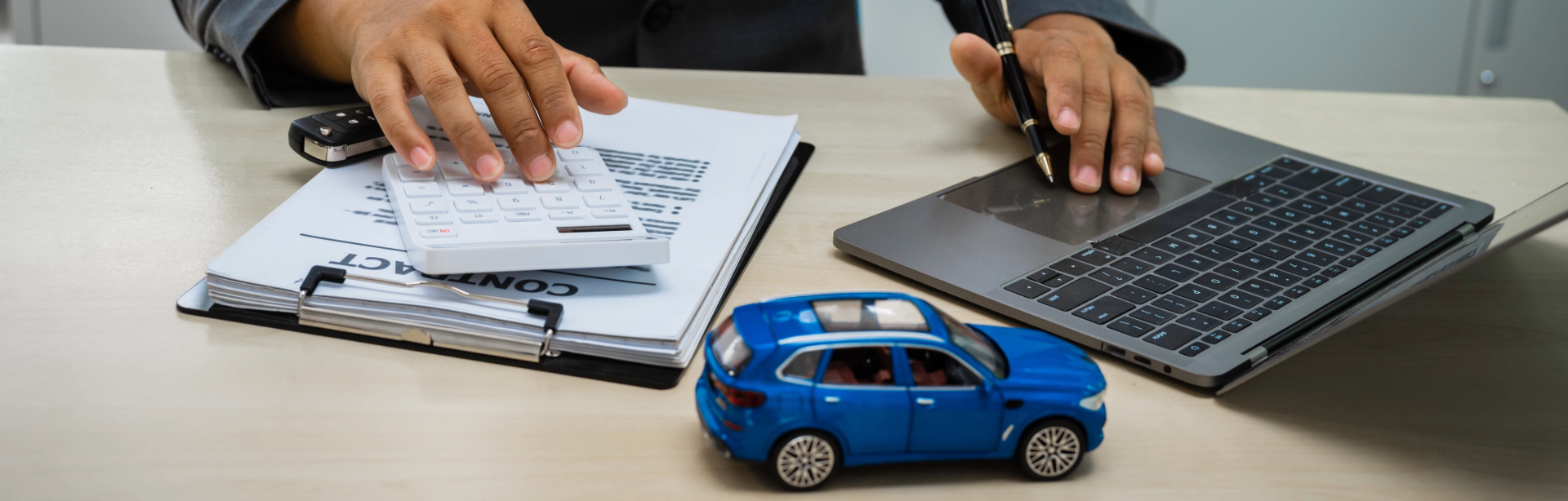
Having all the correct paperwork ready is vital for a legal and smooth transfer of ownership. Being organized with your documents prevents delays and shows the buyer or dealership that you are a serious seller. The vehicle's title is the centerpiece, but other items are equally important.
Here is a checklist of the essential documents:
- Vehicle Title: This is the non-negotiable proof of legal ownership. If you own the car outright, you should have the physical paper title. If you have an open auto loan, your lender (the lienholder) possesses the title. You must contact them for the 10-day loan payoff amount and understand their process for releasing the title once the loan is paid.
- Loan Information: With an outstanding loan, you need the lender's contact details and your account number. This information is required for the dealership or private buyer to pay off the loan and have the title legally transferred.
- Bill of Sale: For a private sale, a Bill of Sale is a legally binding receipt. It records the transaction details, including the sale price, date, vehicle information (VIN, make, model), and signatures of both parties. The NCDMV provides an official Bill of Sale form on its website.
- Maintenance Records: While not a legal requirement, a folder with all your service records is a powerful negotiating tool. It proves the vehicle has been maintained and helps justify your asking price.
- "Release of Liability" Form: After selling your car privately in North Carolina, you must notify the NCDMV that you are no longer the owner by submitting a release of liability. This critical step protects you from any future parking tickets, traffic violations, or accidents involving the vehicle.
- Owner’s Manual and Spare Keys: Including the original manual and all spare keys is an expected part of a complete sale. It's a small detail that shows the car has been well-kept.
For a trade-in at a dealership like Asheboro Honda, our finance team will guide you through all the necessary paperwork, making it a simple and streamlined process. In a private sale, the responsibility for gathering and correctly completing these forms falls entirely on you.
How Can I Maximize My Honda's Trade-In Value?
Getting the most for your Honda trade-in requires a blend of smart preparation, thorough research, and strategic negotiation. A dealership's first offer is merely a starting point. You can significantly influence that number by treating the trade-in as a separate business deal.
First, establish a strong value baseline with research. Use online tools from KBB and Edmunds to understand your Honda's trade-in value range. Then, get multiple real-world offers. Take your car to at least two other dealerships, including a competitor and a used-car retailer like CarMax, for a formal appraisal. This provides you with firm, written offers to use as powerful leverage.
Next, present your vehicle in its best light. A deeply cleaned car with organized service records will always get a better offer. The less reconditioning work the dealer has to perform, the more they can afford to pay you. The official Honda Certified Pre-Owned site details the high standards for certification, giving you a checklist of what dealers look for in a top-quality used Honda.
Finally, negotiate the trade-in separately from your new car purchase. Salespeople often prefer to blend the two deals, which can hide the true value you're getting. Firmly agree on the new car's price first, then introduce your trade-in. With your written offers in hand, you can say, "I'm ready to buy this car today, but another dealer offered me $X for my trade. Can you match that to earn my business?" This clear, confident approach helps you secure the maximum value for your Honda.
What Are the Final Steps in a Private Sale?
Properly finishing a private sale is essential for protecting both you and the buyer. Once you have an agreed-upon price, you must handle the payment and paperwork with great care to ensure a secure and legal transfer. Rushing this final stage can lead to significant future problems.
The first step is securing guaranteed payment. Never accept a personal check. The safest method is to meet the buyer at their bank. There, you can watch the teller issue a cashier's check or initiate a direct wire transfer to your account. Do not sign over the title until you have confirmed the funds are securely in your possession.
Next, you will complete the title transfer. On the back of your North Carolina title, there is a section for the seller. Carefully write the buyer’s full name and address, the exact odometer reading, and the date of sale. Any mistakes or cross-outs can void the title, forcing you to order a replacement from the DMV. After filling out your section, sign it, and then have the buyer sign their part.
At the same time, you should both fill out and sign two copies of a Bill of Sale—one for each of you. This document serves as the official receipt of the transaction. Lastly, and most importantly, protect yourself from future liability. Remove your license plate from the vehicle, as it stays with you in North Carolina. Immediately after the sale, submit a Release of Liability to the NCDMV. This informs the state that you no longer own the car, shielding you from any future tickets or legal issues.
Frequently Asked Questions (FAQs)
How do I know what my Honda trade-in is worth?
You can determine your Honda's trade-in worth by using online valuation tools like Kelley Blue Book and Edmunds, then getting multiple in-person appraisals from different dealerships. The highest written offer you receive is a strong indicator of its true market value.
Is it better to trade in a car or sell it?
Trading in a car is better if you value speed, convenience, and the sales tax savings. Selling it privately is better if your main goal is getting the highest possible price and you have the time and willingness to handle the sales process yourself.
What should you not do when trading in a car?
When trading in a car, do not combine the trade-in negotiation with the new car price negotiation. Always settle on the price of the new car first. Also, do not accept the first offer without having researched your car's value and obtained competing offers.
Can I trade in a car I still owe money on?
Yes, you can absolutely trade in a car that you still owe money on. The dealership will pay off the remaining loan balance as part of the transaction. If your trade-in is worth more than the loan balance, the difference (positive equity) is applied as a down payment on your new car.
About Asheboro Honda
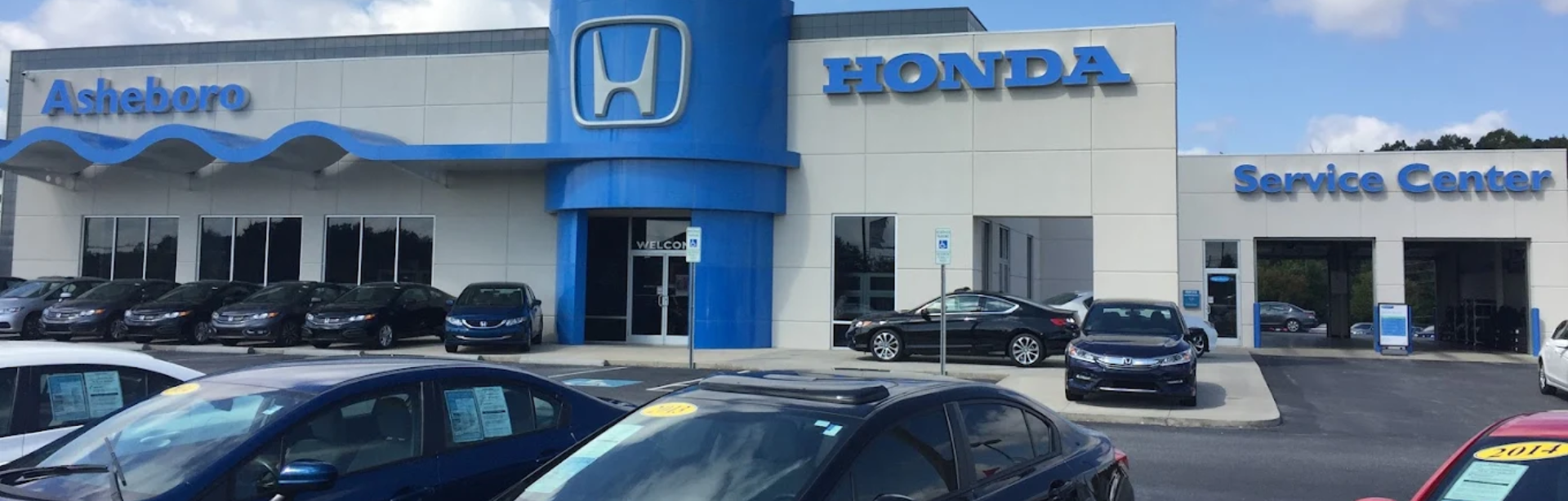
Asheboro Honda, a family and veteran-owned dealership serving the community since 1996, is proud to be the #1 new car volume dealer in Randolph County and southern Greensboro. Recognized for excellence, Asheboro Honda has earned prestigious accolades like the Honda Presidents Circle and the Better Business Bureau's Torch Award for Ethics. Beyond sales, we are deeply committed to our community, supporting initiatives like the United Way car giveaway and the Santa Sleigh project, which brings joy to children in need every holiday season.
Related Article: The Ultimate Guide to Finding Your Perfect Honda Dealer in Asheboro, NC