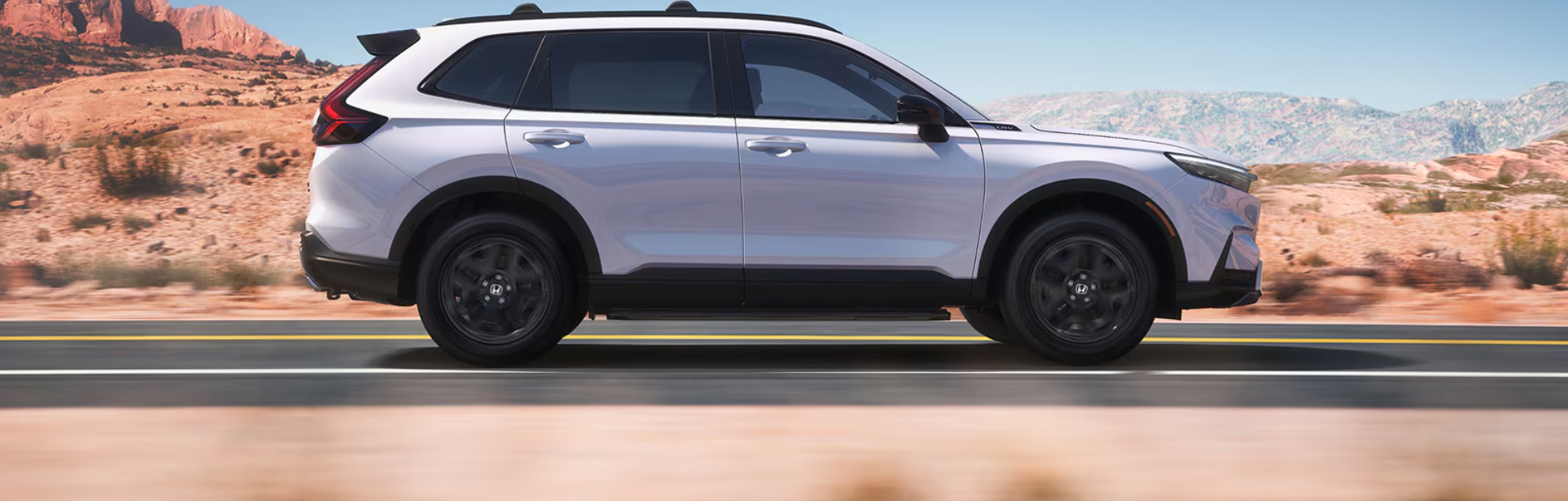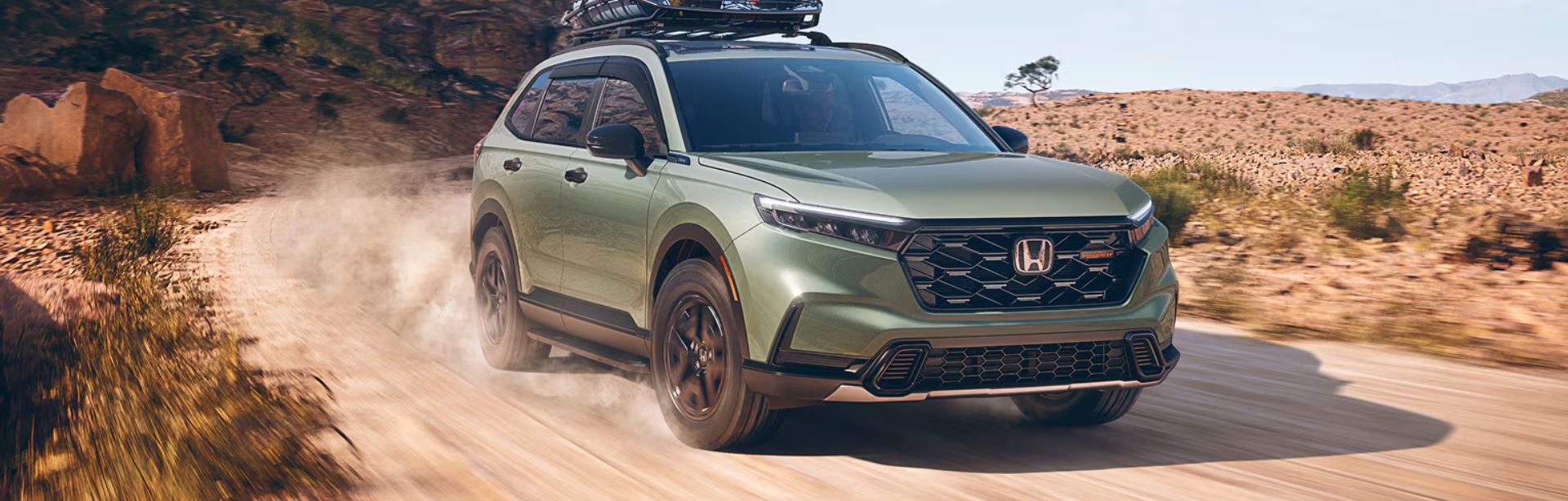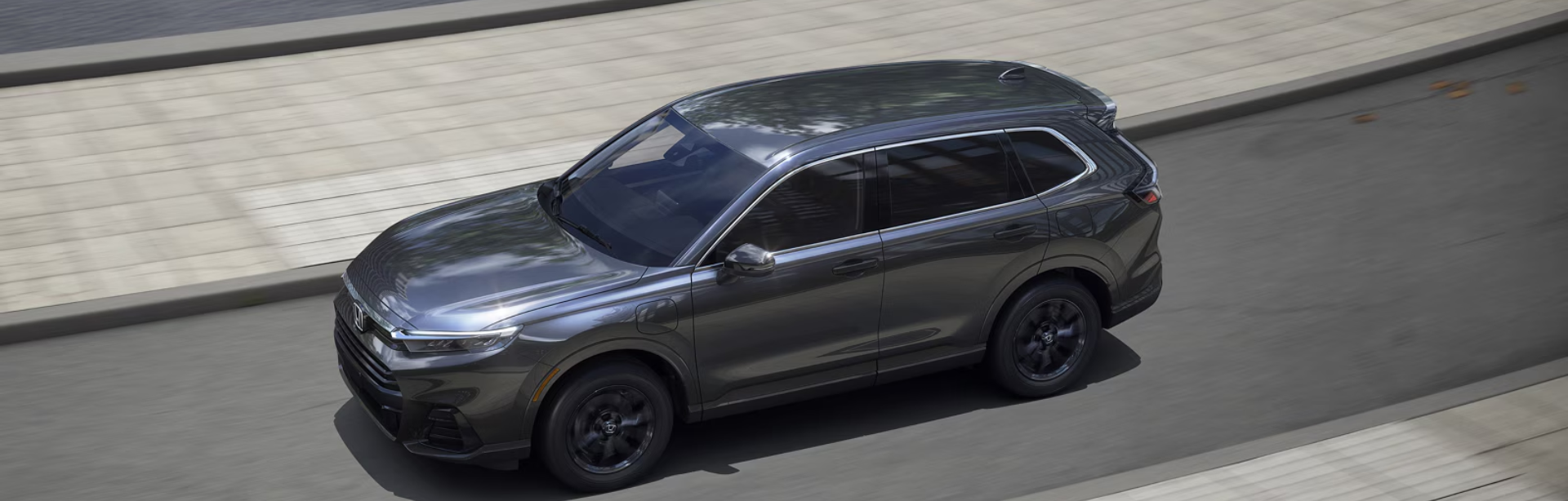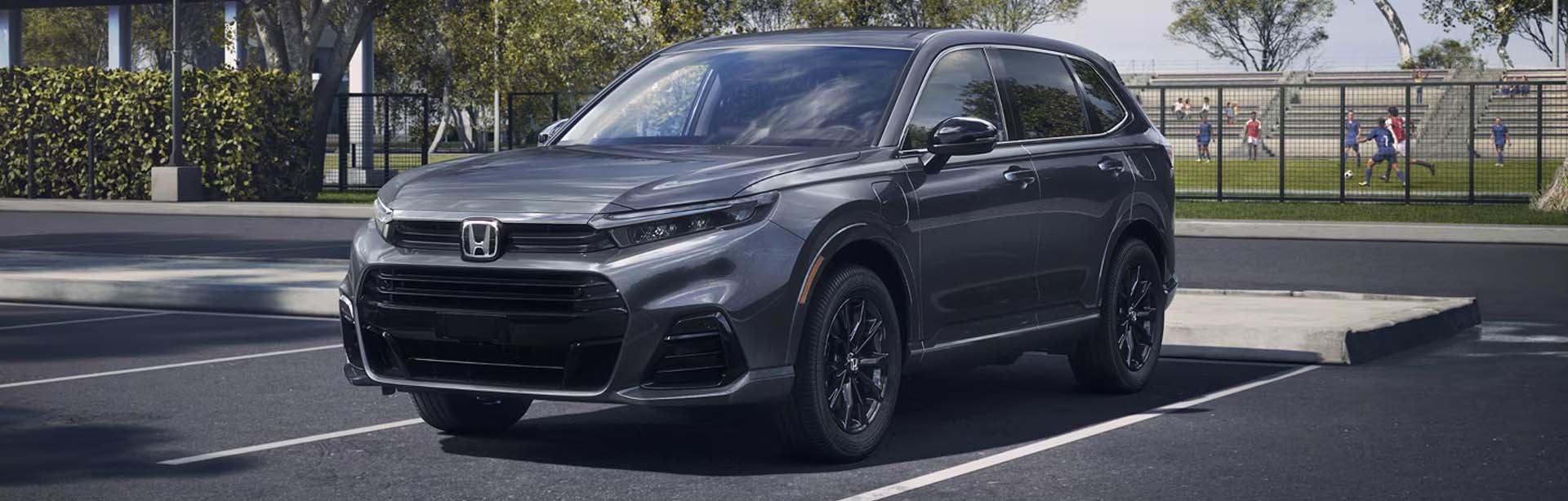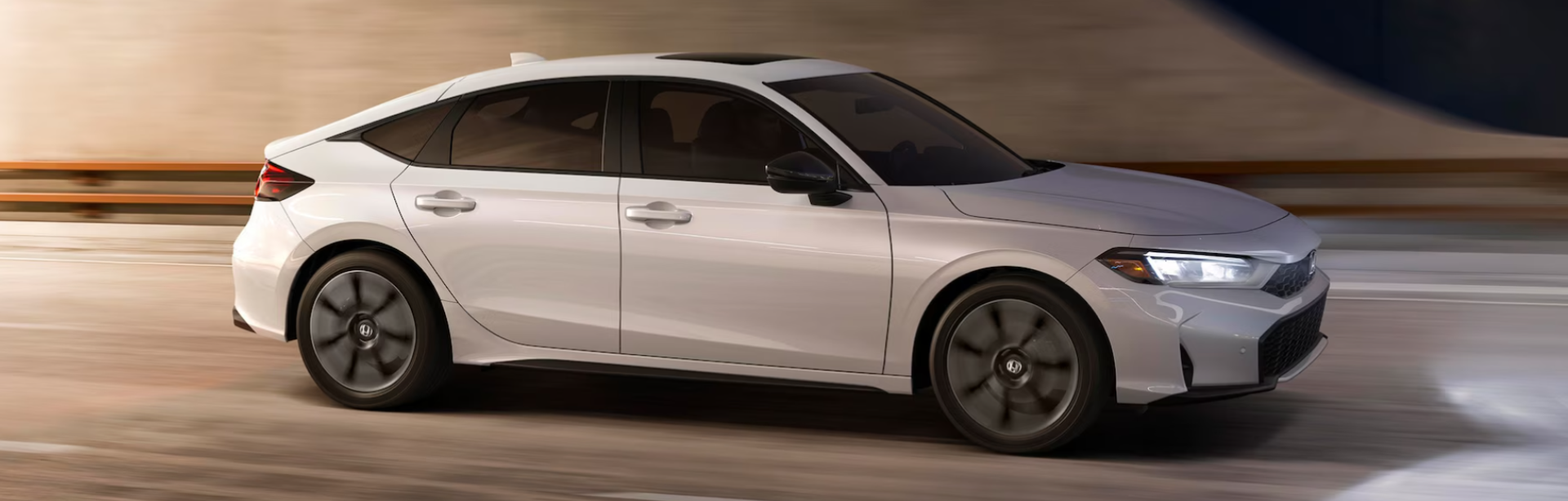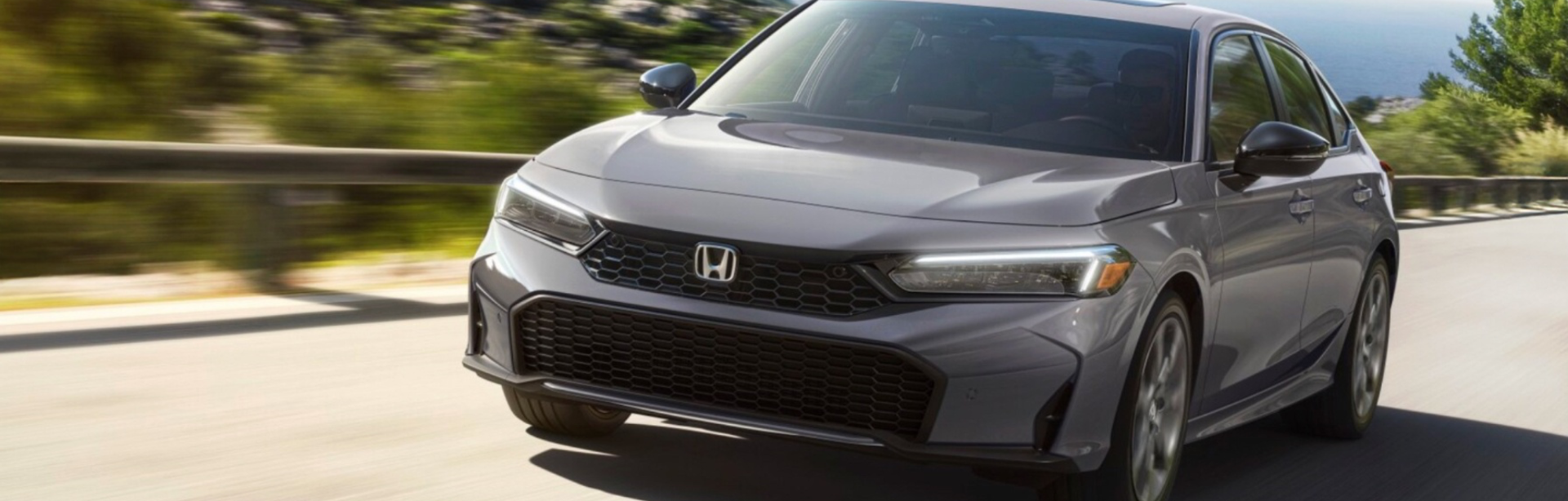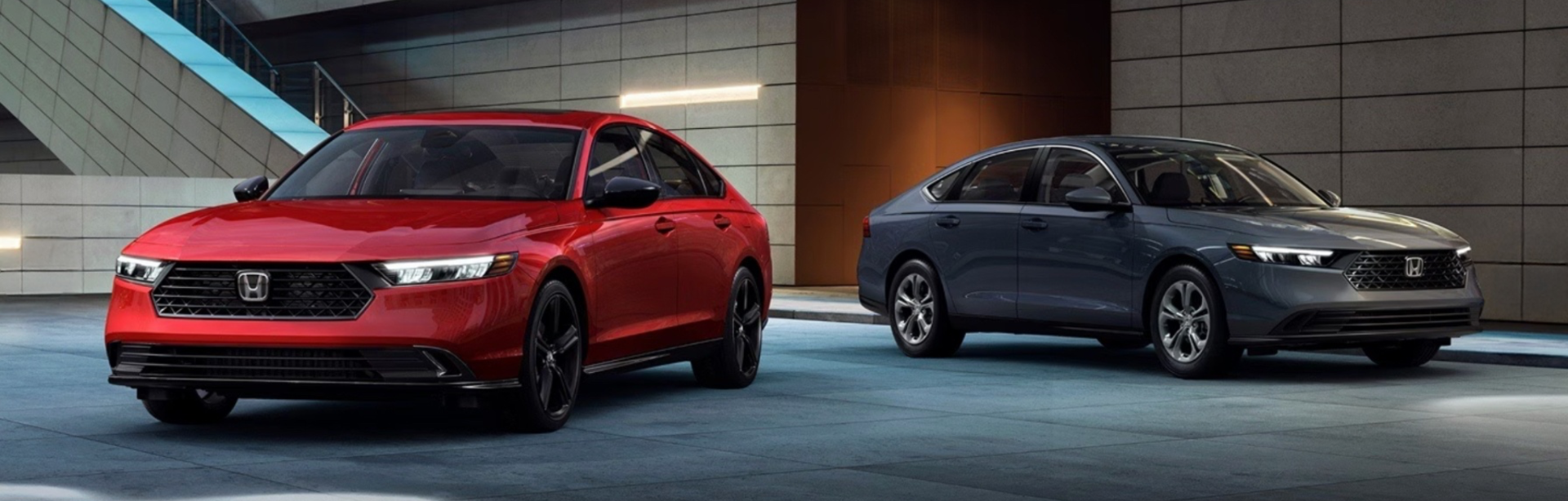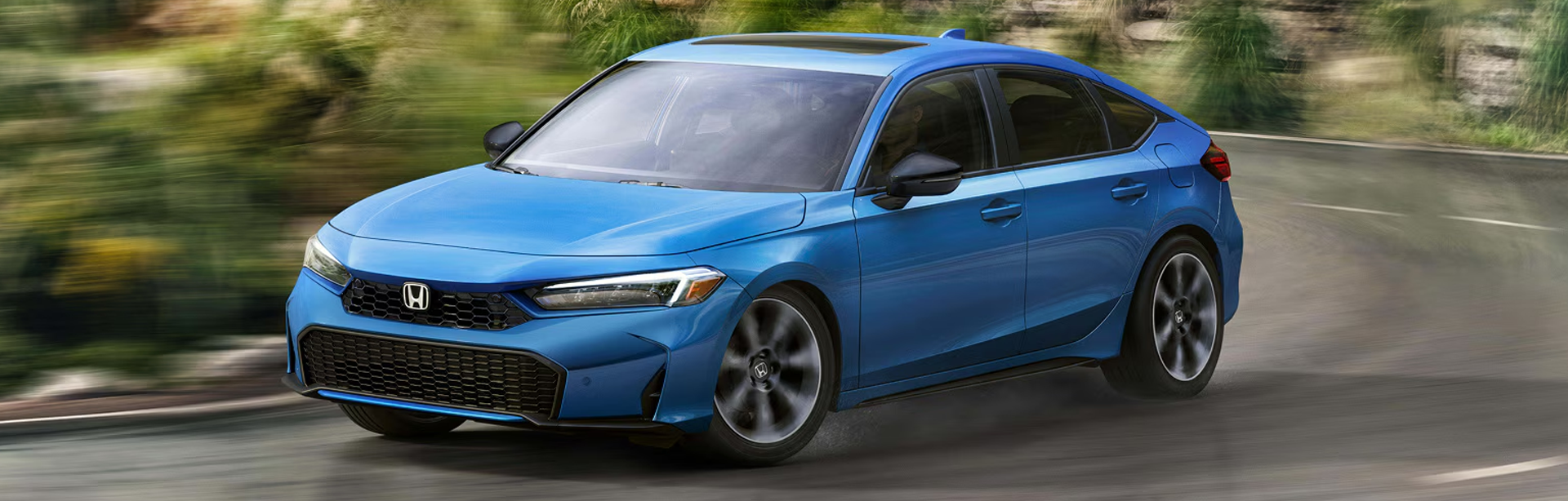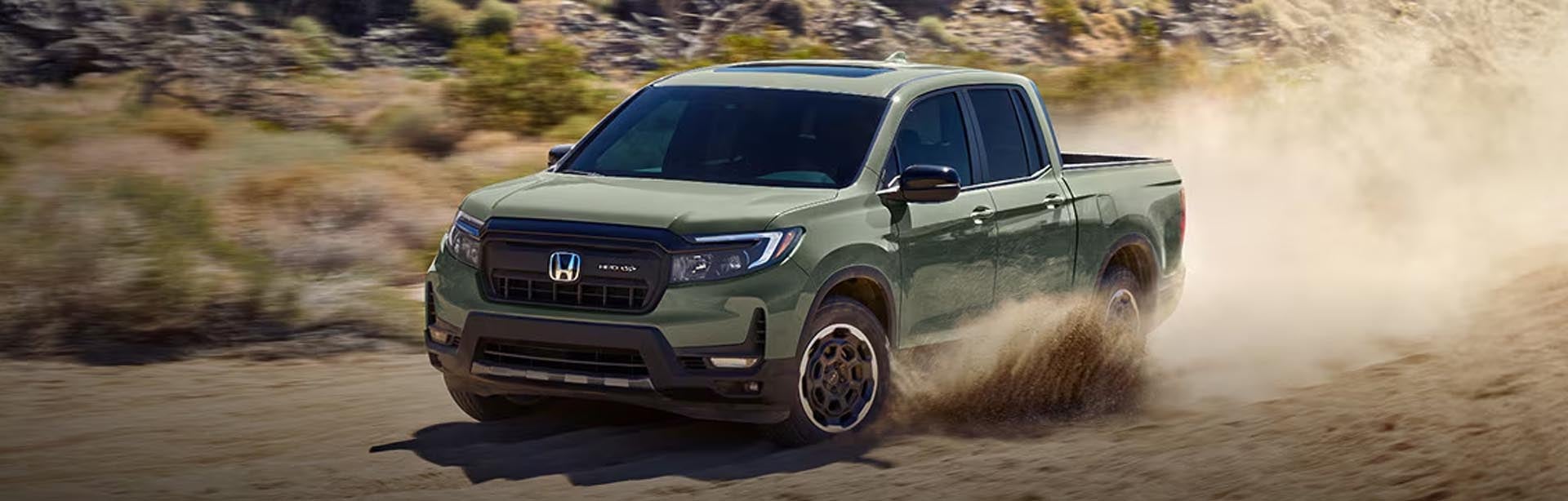

Author: Asheboro Honda Whether you're navigating the vibrant downtown of Asheboro or cruising along the scenic routes to Greensboro, local drivers appreciate vehicles that blend reliability with versatility. At Asheboro Honda, our two decades of dedication to the community have taught us which Honda models truly resonate with the needs of families and professionals in Asheboro, High Point, Winston-Salem, and Lexington. In this article, we'll dive into the top-selling Honda models cherished by your neighbors, highlighting what makes them ideal for your daily adventures, from school runs to weekend getaways at Lake Lucas or Uwharrie National Forest. Why the Honda CR-V is a Favorite for Local Drivers in the Piedmont Triad The Honda CR-V stands out as a beloved choice among drivers in Asheboro and surrounding areas due to its exceptional versatility and practical features. Whether you're commuting to work, running errands, or embarking on family outings, this SUV adapts seamlessly to your lifestyle. Local drivers appreciate the CR-V for its spacious interior and generous cargo capacity, making it perfect for everything from school runs to family trips to the North Carolina Zoo. It's not just about space; the available all-wheel-drive system enhances safety and control, especially on rainy days when navigating streets like Sunset Avenue or Fayetteville Street. Plus, with its renowned fuel efficiency, you can make the most of your time on the road, whether you're heading to Lake Lucas Park or enjoying the scenic routes to Uwharrie National Forest. Generous Cargo Space: The CR-V offers ample room to fit everything from groceries to camping gear, accommodating family needs effortlessly. All-Wheel Drive: This feature provides peace of mind during unpredictable weather, ensuring stability on wet or uneven terrain. Fuel Efficiency: Enjoy fewer stops at the gas pump, making your daily commutes and weekend adventures more economical. Safety Features: Equipped with advanced safety technologies, the CR-V keeps your family secure during school runs and long drives. Comfortable Interior: With quality materials and spacious seating, every journey feels pleasant, whether you're heading to work or out exploring. How Does the 2026 CR-V's Performance Benefit Local Drivers? The 2026 Honda CR-V is designed with Asheboro drivers in mind, delivering a blend of power and efficiency ideal for navigating both city streets and highways. This means you can confidently merge onto US-64 or tackle the daily commute with ease. Standard Engine: The 1.5-liter turbocharged engine found in the LX, EX, and EX-L trims generates 190 horsepower. This robust output ensures smooth merging on busy roads like Sunset Avenue while maintaining excellent fuel economy for your daily errands. Hybrid Powertrain: Available in Sport, Sport-L, and Sport Touring trims, the hybrid powertrain offers 204 total system horsepower. This setup not only provides quick acceleration but also enhances fuel efficiency, a significant benefit as gas prices fluctuate. The CR-V's agile handling makes it a breeze to navigate the winding roads near Uwharrie National Forest, while its cushioned suspension ensures a comfortable ride along the well-maintained streets of downtown Asheboro. With Honda's reputation for durability, local drivers can trust that their CR-V will stand the test of time. To explore safety ratings and more, check out resources like NHTSA and Kelley Blue Book for detailed insights on long-term value. Why the Honda Accord is the Sedan of Choice for Asheboro Commuters For those commuting between Asheboro and nearby Greensboro, High Point, or Winston-Salem, the Honda Accord stands out as a top pick. Its blend of comfort, efficiency, and advanced technology makes daily drives smoother and more enjoyable. Spacious Interior: The Accord offers generous legroom and comfortable seating, making it ideal for those longer commutes. Whether you're navigating through traffic on Sunset Avenue or taking a leisurely drive to Lake Lucas, you'll appreciate the roomy cabin. Quiet Ride: With sound-dampening materials, the Accord provides a peaceful driving experience, allowing you to enjoy your favorite tunes or podcasts without distraction, especially during the busy morning rush. Fuel Efficiency: The Accord is engineered to maximize fuel savings, which is a boon for local commuters facing daily traffic on US 220 Business and NC 49. You'll spend less time at the pump and more time enjoying your drive. Advanced Technology: Equipped with Honda's latest infotainment system, the Accord keeps you connected with features like Apple CarPlay and Android Auto, making it easy to navigate and stay in touch on the go. Safety Features: The Accord includes Honda Sensing®, a suite of safety technologies designed to assist you during your commute. This is especially valuable for families driving to local schools or weekend outings. Reliability: Known for its durability, the Accord is a low-maintenance vehicle that local drivers can depend on, whether they're running errands around Downtown Asheboro or heading out on weekend adventures. In essence, the Honda Accord's combination of comfort, technology, and reliability makes it a smart choice for Asheboro drivers seeking a dependable sedan for their daily journeys. What Features of the 2026 Accord Appeal to Local Drivers? The 2026 Honda Accord is designed with local drivers in mind, offering features that enhance comfort, safety, and functionality for navigating central North Carolina. Here's what makes it a standout choice for Asheboro residents. Efficient Performance: With its standard turbocharged engine, the Accord delivers responsive acceleration, ideal for merging onto US 220 or navigating the traffic on Sunset Avenue. This efficiency translates to fewer stops at gas stations during your daily 22-minute commute. Advanced Technology: Equipped with a user-friendly touchscreen and seamless Apple CarPlay and Android Auto integration, the Accord keeps you connected while running errands or heading to the North Carolina Zoo. The Honda Sensing suite, featuring collision mitigation and lane-keeping assist, offers peace of mind on busy roads, especially during peak hours on Dixie Drive. Spacious and Premium Interior: The Accord's roomy cabin provides ample legroom for passengers, making it perfect for family trips to Lake Lucas or for friends heading to a show at the Sunset Theatre. Plus, its generous trunk space easily accommodates luggage for trips to Piedmont Triad International Airport. For drivers in Asheboro, the Accord strikes an excellent balance between performance and luxury, making it just as suitable for a business meeting in High Point as it is for a weekend getaway into the Uwharrie National Forest. Why the Honda Pilot is Perfect for Families in Asheboro, NC The Honda Pilot stands out as an ideal SUV for families in Asheboro and nearby Greensboro, High Point, and Winston-Salem, thanks to its generous space, exceptional safety features, and remarkable versatility. This SUV comfortably seats up to eight passengers, ensuring that school runs, family outings, and weekend adventures are enjoyable for everyone. Here's how the Pilot excels in everyday life and family escapades: Space: With ample cargo room and flexible seating, you can easily fit everything from school backpacks to beach gear for your trip to Lake Lucas Park. Capability: The Honda Pilot's available all-wheel drive provides confidence on varied terrains, whether navigating the winding roads to Uwharrie National Forest or handling the occasional rain on Sunset Avenue. Versatility: The adaptable interior means you can configure the seats to suit any scenario, whether it's a trip to the North Carolina Zoo or a family gathering in Lexington. For families in Asheboro, the Pilot's combination of safety technology and spacious design makes it an excellent choice for both daily errands and larger family adventures. Organizations like Kelley Blue Book highlight the Pilot's commitment to safety, making it a reliable option for parents. How the 2026 Pilot Supports Family Adventures in Asheboro The 2026 Honda Pilot is built to enhance family outings with features that cater to both convenience and adventure, making it an ideal choice for families in Asheboro. Powerful V6 Engine: Equipped with a 3.5-liter V6 engine, the Pilot generates 285 horsepower, making it easy to tow a small boat to Lake Lucas or handle any highway merging around Greensboro. This power ensures you can tackle both weekend getaways and everyday errands with confidence. Flexible Seating and Cargo: With a versatile seating arrangement, the Pilot's second-row middle seat can be removed for captain's chairs, enhancing access to the third row or maximizing space for cargo. This adaptability is perfect for families with multiple kids or for loading up gear for a trip to Uwharrie National Forest. Family-Friendly Tech: The Pilot features a CabinTalk in-car PA system, allowing parents to communicate easily with backseat passengers. Multiple USB ports keep devices charged, ensuring everyone stays entertained during drives through downtown Asheboro or on long trips. For families navigating the unique needs of Asheboro, the Pilot's blend of performance, spaciousness, and family-centric technology makes it the go-to SUV for adventures, whether it's a quick trip to the North Carolina Zoo or a longer journey down Sunset Avenue. Frequently Asked Questions (FAQs) Which Honda is best for dealing with Asheboro's mix of city and country roads? The Honda CR-V is an excellent all-around choice. Its available Real Time AWD™ handles diverse conditions well, and its size is perfect for navigating both downtown Asheboro and rural Randolph County roads. How does Asheboro Honda ensure transparency regarding mandatory packages? Asheboro Honda will walk you through any mandatory packages during the purchasing process, ensuring you understand all aspects of your deal without any surprises. What are the typical documentation fees at Asheboro Honda? Asheboro Honda's team can provide a clear breakdown of documentation fees, which are communicated upfront to ensure your understanding of all costs associated with your purchase. What should I ask about pricing transparency before purchasing at Asheboro Honda? Asheboro Honda encourages questions regarding pricing, including asking for a detailed explanation of all fees and costs involved to ensure complete clarity before finalizing your purchase. How does Asheboro Honda support the community through its dealership practices? Asheboro Honda is proud to donate a car to the United Way annually, reflecting its commitment to community support and engagement over the past two decades. What makes Asheboro Honda a reliable choice for car buyers in the local area? With nearly 30 years of service, Asheboro Honda has earned a reputation for integrity and transparency, backed by awards like the Honda Presidents Circle and the Better Business Bureau Torch Award for Ethics. About Asheboro Honda Asheboro Honda is a family and veteran owned dealership that has proudly served drivers across Asheboro, Greensboro, and Winston-Salem since March 1, 1996. For nearly 30 years, we have built our reputation on transparency and integrity, earning prestigious accolades such as the Honda Presidents Circle award and the Better Business Bureau Torch Award for Ethics. Our deep commitment to the community is reflected in our status as the only dealer in North Carolina to donate a car to the United Way annually for over two decades. We maintain professional excellence through our AAA approved repair facility and a team of ASE certified technicians who provide the signature Asheboro Advantage to every guest. When you trust us with your automotive needs, you are partnering with the number one new car volume dealer in Randolph County that treats every customer like family. Related Articles: The Ultimate Guide to Finding Your Perfect Honda Dealer in Asheboro, NC