
Investing in a vehicle is a major decision, and for drivers navigating the roads of Asheboro and beyond, it's essential to safeguard that investment. While some may see scheduled service as an inconvenience, the truth is that consistent upkeep can help avoid hefty repair bills down the line. By prioritizing preventative care, you can protect your budget from unexpected costs and ensure your Honda remains reliable, whether you're commuting to work or enjoying a family trip to the North Carolina Zoo. With years of experience serving the Asheboro, Greensboro, High Point, Winston-Salem, and Lexington communities, Asheboro Honda offers valuable insights into how proper vehicle care translates to long-term savings. In this article, we'll explore the financial implications of skipping maintenance and highlight the many ways routine service can keep your vehicle running smoothly.
Is Skipping Service Worth the Cost? How Maintenance Saves Asheboro Drivers Money
Why Is Preventative Maintenance Cheaper Than Repairs?
Routine maintenance is significantly less expensive than dealing with major repairs after a breakdown. Just as a regular health check-up can prevent serious medical issues, keeping up with your vehicle's maintenance can help you avoid costly repairs that arise from neglected problems. For instance, a small coolant leak, if left unattended, could lead to engine overheating, resulting in a repair bill that may reach thousands of dollars.
By addressing minor issues early, you can prevent them from escalating into major failures. Here are key reasons why preventative maintenance is more cost-effective:
- Early detection of problems: Regular checks allow mechanics to spot and fix small issues before they become costly repairs.
- Avoiding emergency towing: Maintenance can save you from unexpected breakdowns, which often require expensive towing fees.
- Extending vehicle lifespan: Keeping up with maintenance can prolong the life of your vehicle, spreading the cost of ownership over a longer period.
- Lower overall repair costs: Tackling minor repairs during maintenance visits usually costs less than major repairs incurred later.
For drivers in Asheboro and nearby cities like Greensboro and High Point, the fluctuating weather can impact vehicle performance. The hot summers and cooler, wet winters put stress on components like belts and hoses. By investing in routine maintenance, you can catch wear and avoid the potential for a breakdown on busy roads like I-73 or during your daily commute through downtown Asheboro. This proactive approach not only saves money but enhances your peace of mind on the road.
Does Changing Your Oil Really Protect Your Engine?
Regular oil changes play a crucial role in maintaining your engine's health. Fresh oil ensures proper lubrication, reduces friction, and helps prevent harmful sludge buildup. Over time, engine oil breaks down from heat and contaminants, losing its effectiveness in protecting moving parts. This breakdown can lead to increased friction and heat, significantly accelerating internal engine wear.
When driving through Asheboro, especially on busy routes like Sunset Avenue or during stop-and-go traffic on US-220 Business, your engine is under constant stress. Old oil can't perform its job effectively, allowing dirt and debris to accumulate, which can eventually turn into sludge. This sludge can obstruct oil passages, leading to poor lubrication and even engine failure if left unaddressed.
Ignoring routine oil changes can result in increased friction and overheating, causing damage that may require a costly engine replacement. In fact, the expense of replacing an engine far outweighs the relatively small cost of regular oil changes. For instance, keeping up with oil changes can save you thousands in potential repairs, preserving the longevity and performance of your Honda.
- Engine Life: Regular oil changes help extend the lifespan of your engine by ensuring optimal lubrication.
- Efficiency: Fresh oil improves fuel efficiency, which is especially beneficial during your daily commutes.
- Fewer Repairs: Timely oil changes can prevent costly repairs down the line, keeping your Honda running smoothly.
For more information on vehicle care standards, you can visit Consumer Reports.
How Tire Care Affects Fuel Economy and Tire Life

Maintaining proper tire pressure, alignment, and understanding rolling resistance can significantly enhance your fuel economy while prolonging the life of your tires. Keeping your tires inflated to the correct PSI means less resistance against the road, which translates to better fuel efficiency. When your tires are under-inflated, your engine works harder, consuming more fuel-similar to riding a bike with flat tires.
Local roads, like those in Asheboro and Greensboro, often have potholes and uneven surfaces that can disrupt your tire alignment. An improper alignment causes uneven tread wear, leading to premature tire replacement and wasted fuel. By regularly checking your alignment and rotating your tires, you can ensure they wear evenly and maintain optimal performance, saving you both fuel and money.
- Check PSI Regularly: Ensure your tires are inflated to the recommended pressure, usually found on the driver's side door jamb.
- Rotate Tires: Rotate your tires every 5,000 to 7,500 miles to promote even wear.
- Alignment Checks: Have your alignment checked at least once a year or after hitting a significant pothole.
For more insights on tire care and maintenance tips, visit Edmunds.
Will Following the Honda Maintenance Program Boost Resale Value?
A thorough service history can significantly enhance buyer confidence and lead to better resale offers. When it comes time to sell or trade in your Honda, having documented service records acts as proof that your vehicle has been carefully maintained. This reassurance can translate to higher trade-in or private-sale offers, especially in the competitive local markets of Asheboro, Greensboro, High Point, Winston-Salem, and Lexington.
Regularly adhering to the Honda maintenance schedule allows you to build a comprehensive "portfolio" of care for your vehicle, showcasing its reliability and overall condition. Buyers are typically more willing to pay a premium for cars that come with a complete, verifiable service history. In contrast, vehicles with unexplained gaps in maintenance history can raise red flags, leading to lower offers and longer selling times.
- Higher Offers: A complete service history often results in increased trade-in and private sale offers.
- Faster Sale: Cars with documented care typically sell more quickly than those without.
- Trust: Potential buyers feel more confident purchasing a vehicle with a clear maintenance record.
For instance, if you're in Asheboro and looking to sell your Honda Civic, local buyers are likely to appreciate the documented care it received at your dealership. Similarly, residents in Greensboro and Winston-Salem will notice the value in a well-maintained vehicle, especially as they navigate busy roads like Sunset Avenue and US 220 Business. To understand how these factors influence vehicle pricing, check current values and see how condition affects price at Kelley Blue Book.
How Do Genuine Honda Parts Save You Money Over Time?
Choosing genuine OEM parts over generic aftermarket alternatives is a crucial decision for long-term savings. While aftermarket parts may seem like a budget-friendly option upfront, they often compromise on fit, durability, and warranty protection, leading to higher costs in the long run.
Genuine Honda parts are crafted to meet the exact specifications of your vehicle, such as a 2023 Honda CR-V or Accord. These parts undergo extensive testing to ensure they will perform reliably and fit seamlessly, which minimizes the need for repeat repairs. Here's why opting for OEM parts is beneficial:
- Exact Fit: OEM parts are designed specifically for your model, ensuring compatibility and optimal performance.
- Durability: They are tested for longevity, reducing the likelihood of premature failure.
- Warranty Protection: Using genuine parts helps maintain your vehicle's warranty, avoiding potential voids that aftermarket parts may cause.
On the other hand, generic parts are often mass-produced and may not provide the same level of quality. For example, using a non-OEM brake pad might save you money initially, but if it wears out prematurely, you could end up spending more on repairs. Moreover, if your Honda is still under warranty, installing non-OEM parts could void that coverage, exposing you to costly repairs later.
Investing a little more in genuine Honda parts upfront can save you from duplicate repairs and unexpected expenses as time goes on. For all your parts needs, you can verify specifications and details at Honda Automobiles.
Why Brake Maintenance Matters for Safety and Savings
Worn brake pads can lead to serious safety issues and costly repairs. If you hear squealing or notice vibration when braking, or if your vehicle takes longer to stop, these are warning signs that your brake pads need attention. Ignoring these signals can escalate repair costs significantly.
Brake pads serve a sacrificial role, designed to wear down and protect the more expensive components of your braking system, such as rotors and calipers. When brake pads become too worn and you disregard the accompanying noises, you risk metal-on-metal contact, which damages the rotors-a much pricier replacement than simply replacing the pads. Early intervention can save you from expensive repairs down the line.
In hilly areas around Asheboro, such as the routes leading to Uwharrie National Forest, or during rainy seasons when roads are slick, having reliable brakes is crucial for safety. Regular brake inspections allow you to replace pads before they cause further damage, ensuring your family remains safe during commutes to schools or weekend outings. For example, replacing pads early can cost a fraction compared to the full brake-system repairs that follow neglect.
- Squealing: Indicates pads are worn and need replacing.
- Vibration: May signify uneven wear or damage to rotors.
- Longer stopping distances: Suggests pads are failing to provide adequate friction.
For safety ratings and recall information, visit the NHTSA.
Frequently Asked Questions (FAQs)
Are genuine Honda parts more expensive than aftermarket?
While genuine Honda parts may have a higher upfront cost, they often prove more economical over time due to their superior quality, ensuring a better fit and longer lifespan, which reduces the likelihood of future repairs.
Where can I buy genuine Honda parts near Asheboro?
Asheboro Honda is the ideal destination for purchasing genuine Honda parts, guaranteeing authenticity and offering professional installation by our ASE certified technicians.
Do genuine parts come with a warranty?
Yes, genuine Honda parts purchased from an authorized dealer come with a 1-year warranty, providing peace of mind regarding their reliability and performance.
Will using aftermarket parts void my car's warranty?
Using aftermarket parts does not automatically void your vehicle's warranty, but if an aftermarket part leads to damage, related repairs may not be covered under the warranty.
What sets Asheboro Honda apart from other dealerships?
Asheboro Honda is family and veteran-owned, serving the community since 1996, and has earned prestigious awards like the Honda Presidents Circle award for its commitment to transparency and customer satisfaction.
How does Asheboro Honda support the local community?
Asheboro Honda proudly donates a car to the United Way every year, reflecting its deep commitment to community engagement and support for local initiatives.
About Asheboro Honda
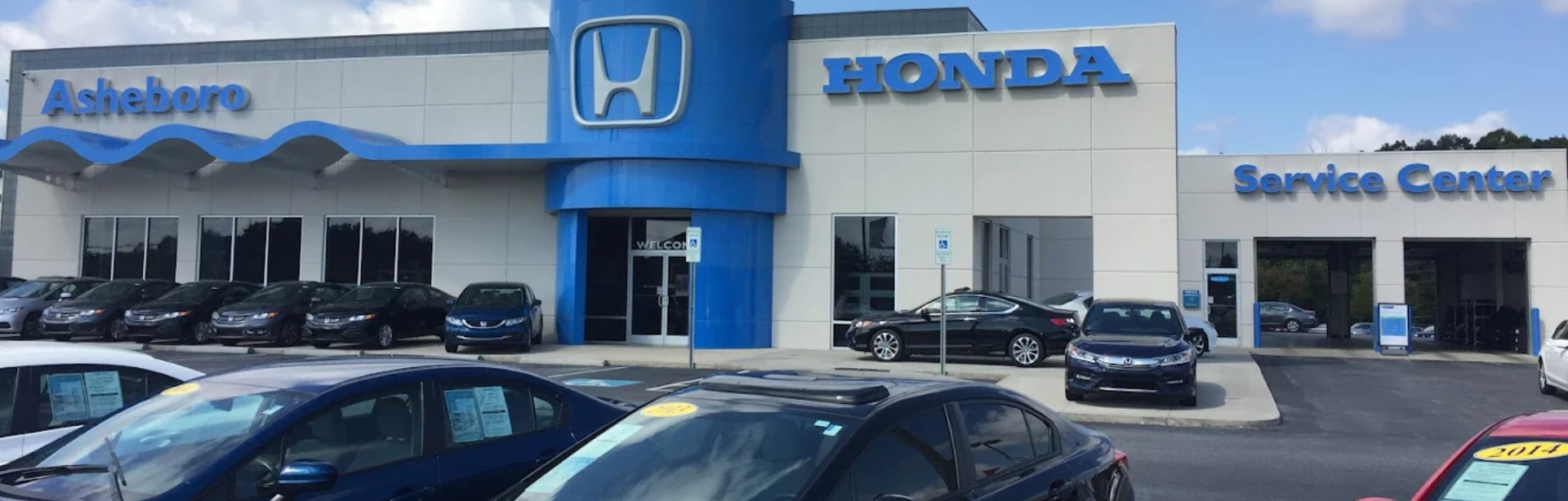
Asheboro Honda is a family and veteran owned dealership that has proudly served drivers across Asheboro, Greensboro, and Winston-Salem since March 1, 1996. For nearly 30 years, we have built our reputation on transparency and integrity, earning prestigious accolades such as the Honda Presidents Circle award and the Better Business Bureau Torch Award for Ethics. Our deep commitment to the community is reflected in our status as the only dealer in North Carolina to donate a car to the United Way annually for over two decades. We maintain professional excellence through our AAA approved repair facility and a team of ASE certified technicians who provide the signature Asheboro Advantage to every guest. When you trust us with your automotive needs, you are partnering with the number one new car volume dealer in Randolph County that treats every customer like family.Related Articles:
The Ultimate Guide to Finding Your Perfect Honda Dealer in Asheboro, NC