

Author: Asheboro Honda Team
For residents of Asheboro and the surrounding areas like Greensboro, High Point, and Winston-Salem, selling your car can often feel overwhelming, especially with the allure of online platforms. However, there’s a more straightforward and trustworthy option right in your community: Asheboro Honda. With nearly thirty years of service, we’re proud to be a family-owned dealership that understands the needs of local drivers. Here’s why selling your vehicle to a trusted dealer like us is the smarter, more reliable choice for Asheboro residents.
What Makes Selling to a Honda Dealership Better Than Online Buyers?
For drivers in Asheboro and the surrounding areas, selling your car to Asheboro Honda offers distinct advantages over online platforms. You’ll benefit from local expertise, transparent appraisals, and immediate payment—all tailored to the unique driving conditions of our region.
- Local Expertise & Trust: Selling to Asheboro Honda means working with a team that understands the local driving landscape, from the busy traffic on Sunset Avenue to the steep hills around Uwharrie National Forest. We know what vehicles perform best in our climate and terrain, which translates into fair offers and reliable service.
- Transparent Appraisals: Unlike online buyers who may rely on algorithms, our appraisals are done by knowledgeable professionals who assess your vehicle’s condition, market trends, and local demand. This results in a fair and honest offer that reflects the true value of your car.
- Immediate Payment & Convenience: When you sell your car at Asheboro Honda, you can expect a hassle-free process. You can receive an offer, finalize the sale, and walk away with a check in hand on the same day—no waiting for payment or dealing with shipping logistics.
How Does Asheboro Honda Ensure a Better Selling Experience?
In-Person Inspections: Selling your car online can feel impersonal, often requiring you to send photos or deal with third-party inspections. At Asheboro Honda, we prioritize friendly, thorough in-person inspections. This approach allows us to assess your vehicle accurately, ensuring you receive a fair offer while making the process feel more personal and less daunting.
No Hidden Fees: When selling your vehicle, the last thing you need is unexpected deductions from your offer. Asheboro Honda guarantees no hidden fees—what you see is what you get. This means you won’t encounter surprise charges, ensuring a clear and transparent selling process.
Community Commitment: Choosing Asheboro Honda means supporting a dealership that truly cares about its community. We actively engage in local initiatives, such as the United Way car giveaway and local charity events. By selling to us, you’re not just making a transaction; you’re helping to strengthen our shared community in Asheboro.
Why Selling Locally to Asheboro Honda Matters for Drivers

Understanding Local Driving Conditions: For drivers around Asheboro, navigating routes like Sunset Avenue and US-220 can be challenging, especially during peak shopping hours or winter weather. Asheboro Honda’s team is familiar with these local driving conditions, which allows us to accurately assess your vehicle’s value based on real-world factors.
Convenient Location: Our dealership is centrally located in Asheboro, making it a breeze for residents from nearby areas like Greensboro and High Point to visit. You won’t need to deal with long drives or costly shipping arrangements, saving you time and effort.
Personalized Service: Selling your car isn’t just a transaction; it’s about building a connection. At Asheboro Honda, our staff takes the time to explain offers, answer your questions, and assist with all necessary paperwork. This level of personalized service surpasses what you’d experience with distant or anonymous online buyers.
What Are the Risks of Selling to Online Buyers?
When considering selling your vehicle online, it’s essential to understand the common risks involved. For drivers in Asheboro, these challenges can lead to significant frustration. Here are three key points to consider:
Uncertain Offers: Many online platforms provide initial offers that may decrease after an in-person inspection, leaving sellers feeling misled. Imagine getting excited about an offer only to have it reduced once a buyer sees the car. At Asheboro Honda, we provide firm offers based on thorough appraisals, ensuring you know exactly what to expect from the start.
Lack of Accountability: If issues arise during an online transaction, resolving them can be tough, often leaving you without support. For instance, if a buyer fails to follow through, you might find it challenging to get help. In contrast, Asheboro Honda is a trusted local dealership where you can speak directly to our team, ensuring accountability and a smoother process.
Shipping and Logistics Hassles: Coordinating shipping or meeting buyers in unfamiliar locations can complicate online sales. Imagine navigating traffic on Sunset Avenue or dealing with logistical headaches just to finalize a sale. Asheboro Honda simplifies this by handling all logistics in-house, allowing you to avoid these unnecessary stresses and focus on what matters.
Frequently Asked Questions (FAQs)
How does Asheboro Honda determine my car’s value?
We assess your car’s value through a thorough in-person appraisal, taking into account its condition, mileage, and current market trends in Asheboro. This ensures you receive a fair and transparent offer that reflects your vehicle’s worth.
Can I sell my car to Asheboro Honda if I’m not buying another vehicle?
Yes, you can sell your car without purchasing another one from us. We provide a no-obligation offer, making it easy and hassle-free for you to sell.
What documents will I need to sell my car to Asheboro Honda?
You’ll need your car’s title, a valid ID, and any information related to loan payoffs, if applicable. Our team is here to help you gather everything needed for a smooth transaction.
Why should I choose Asheboro Honda over other dealerships?
Asheboro Honda is a family-owned dealership with nearly 30 years of experience in the community. We pride ourselves on offering competitive prices, exceptional service, and a commitment to supporting local initiatives, making us a trusted choice for your selling needs.
About Asheboro Honda
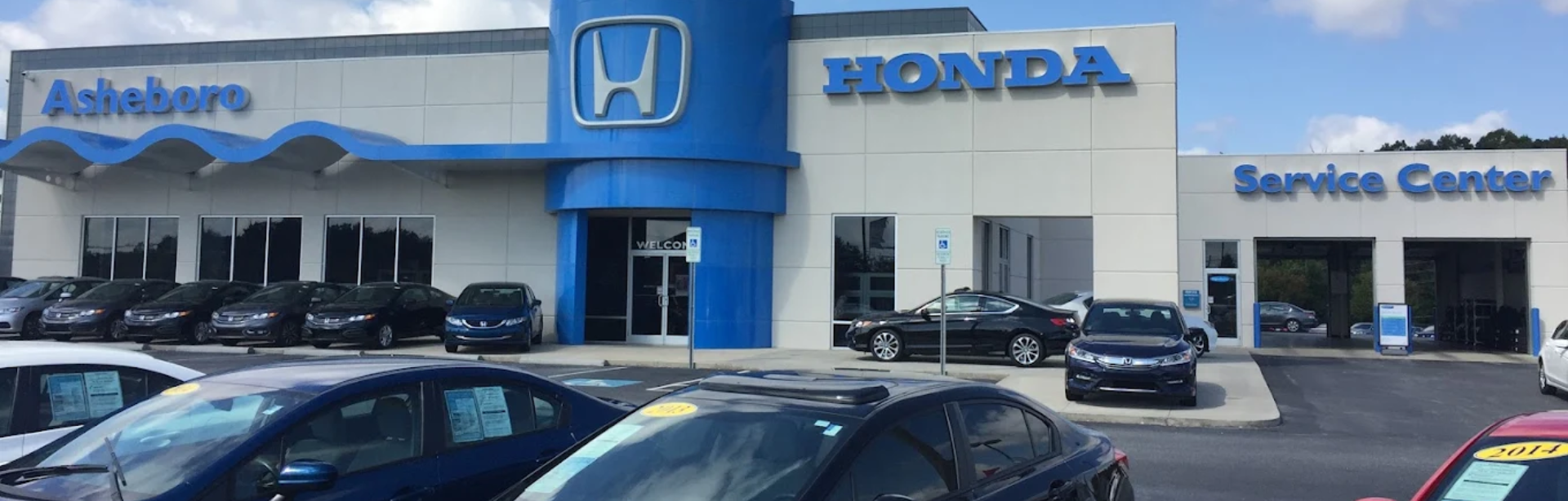
Asheboro Honda, a family and veteran-owned dealership serving the community since 1996, is proud to be the #1 new car volume dealer in Randolph County and southern Greensboro. Recognized for excellence, Asheboro Honda has earned prestigious accolades like the Honda Presidents Circle and the Better Business Bureau’s Torch Award for Ethics. Beyond sales, we are deeply committed to our community, supporting initiatives like the United Way car giveaway and the Santa Sleigh project, which brings joy to children in need every holiday season.
Related Articles:
The Ultimate Guide to Finding Your Perfect Honda Dealer in Asheboro, NC

Author: Asheboro Honda Team
Considering trading in your Honda in Asheboro? It’s a savvy approach to lower the cost of your next vehicle while ensuring a smooth transition. At Asheboro Honda, a trusted part of the community for years, we understand the local market and are dedicated to helping you secure the best trade-in offer possible. With our extensive experience serving Asheboro and surrounding areas like Greensboro, High Point, and Winston-Salem, we’re here to guide you through the process of maximizing your vehicle’s value.
Every trade-in can significantly impact your budget, especially when you’re upgrading to a reliable Honda. Whether you’re commuting along Sunset Avenue or planning family outings to the North Carolina Zoo or Uwharrie National Forest, knowing how to enhance your trade-in value matters. Let’s explore how you can make the most of your Honda’s worth.
What Factors Determine Your Honda’s Trade-In Value?
When it’s time to trade in your Honda, various factors come into play that can significantly affect its value. Knowing these elements can empower you to make informed decisions and negotiate more effectively. For many drivers in Asheboro, checking current market trends on Kelley Blue Book is a great starting point to gauge their vehicle’s worth.
Mileage and Condition: Generally, lower mileage and a well-maintained vehicle will command higher trade-in values. Regular maintenance, such as oil changes and tire rotations, not only keeps your Honda running smoothly but also enhances its resale appeal. For instance, if your Honda Accord has been routinely serviced and has under 50,000 miles, you could see a notable increase in its value.
Model Popularity: Certain Honda models, like the CR-V and Civic, tend to retain their value better due to high demand among buyers in Asheboro and nearby Greensboro. If you’re considering trading in a popular model, you might find that it fetches a higher offer compared to less sought-after vehicles.
Market Trends: Seasonal fluctuations and local demand in Asheboro can also impact trade-in values. For example, SUVs like the Honda Pilot often see increased interest during winter months when families are looking for reliable vehicles for trips to the North Carolina Zoo or outings to Uwharrie National Forest.
Vehicle History: A clean vehicle history report, free from accidents or extensive repairs, can significantly enhance your Honda’s trade-in value. It’s advisable to obtain a report from a trusted service to bolster your vehicle’s credibility during negotiations.
How Can You Prepare Your Honda for Trade-In?
Getting your Honda ready for trade-in can significantly impact its perceived value. Proper preparation ensures that you maximize your offer, making it essential for drivers in Asheboro looking to upgrade their vehicles.
- Clean and Detail Your Car: Start with a thorough cleaning, both inside and out. A sparkling Honda, free of dirt and clutter, makes a strong first impression. Consider washing the exterior, vacuuming the interior, and even waxing the paint to enhance its shine. This not only shows the appraiser that the car has been cared for but also helps it stand out among other vehicles.
- Fix Minor Repairs: Take some time to address small issues such as minor scratches, dents, or broken lights. These inexpensive fixes can prevent appraisers from subtracting value due to neglect. For example, repairing a chipped windshield or changing a burnt-out bulb can be done quickly and affordably.
- Gather Maintenance Records: Collect any service records that show your Honda has received regular maintenance. Documentation of oil changes, tire rotations, and other services can assure the appraiser that the vehicle is in good condition. This can be particularly important for models like the CR-V, which are known for their reliability.
- Know Your Car’s Value: Before heading to the dealership, research your Honda’s estimated trade-in value using trusted resources like Kelley Blue Book or Edmunds. Understanding your car’s worth prepares you for negotiations and helps you secure a fair deal. This is especially useful for local drivers who often depend on accurate valuations for their trades.
Where Should You Trade In Your Honda in Asheboro, North Carolina?

Choosing the right dealership for your trade-in can greatly enhance your overall experience. A reputable business, like Asheboro Honda, known for its integrity highlighted by the Better Business Bureau, ensures you receive a fair evaluation. For drivers in Asheboro and nearby Greensboro, High Point, and Winston-Salem, the benefits of selecting a local dealership are clear.
Convenient Location: Asheboro Honda is strategically situated, making it easy for customers from various neighborhoods to visit without hassle. Whether you’re coming from Downtown Asheboro or the nearby Uwharrie National Forest, you’ll find our location easily accessible.
Expert Appraisers: Our dedicated team employs industry-standard appraisal methods to ensure you receive an accurate trade-in value. This transparency helps you make informed decisions, vital for families and professionals who rely on their vehicles for daily errands and weekend adventures.
Community Commitment: As a family and veteran-owned dealership, Asheboro Honda is invested in the local community. We understand the needs of our neighbors, from the regular school runs to family trips to the North Carolina Zoo, and we aim to foster lasting relationships with our customers.
What Are the Benefits of Trading In Locally?
Trading in your Honda at a local dealership like Asheboro Honda presents key benefits that enhance your experience as a driver in the Asheboro area. You’ll enjoy personalized service tailored to your specific needs, faster transaction times, and the rewarding feeling of supporting a community-focused business.
Personalized Service: Local dealerships have a deep understanding of the unique driving conditions around Asheboro, including the busy stretches of Sunset Avenue and Fayetteville Street (US 220 Business). They know the typical commuter patterns, where most drivers spend around 22 minutes on the road, often navigating short trips to places like the North Carolina Zoo or Downtown Asheboro. This local expertise means you receive tailored advice that aligns with your vehicle’s performance and your lifestyle.
Faster Transactions: When you trade in locally, you can often complete your transaction in a matter of hours, if not the same day. This is particularly convenient for those who need to quickly upgrade to a fuel-efficient sedan or a compact SUV, perfect for managing the traffic on Dixie Drive (US 64 Business/NC 49) or during weekend outings to Uwharrie National Forest.
Support for the Community: By choosing to trade in at Asheboro Honda, you’re not just making a transaction; you’re contributing to local initiatives that strengthen the community. Your support helps fund local programs and events, ensuring that businesses like Asheboro Honda can continue to give back, such as through charity events and community service projects.
Frequently Asked Questions (FAQs)
How do I know if I’m getting a fair trade-in value for my Honda?
To determine a fair trade-in value, start by checking your vehicle’s worth using trusted tools like Kelley Blue Book or Edmunds. Additionally, resources such as Consumer Reports can provide valuable insights on reliability and market trends. Comparing offers from various dealerships in Asheboro ensures you secure the best deal possible.
Should I trade in my Honda or sell it privately?
Opting for a trade-in is often quicker and hassle-free, especially when working with a local dealer like Asheboro Honda. While selling privately might net you a slightly higher price, it involves more time and effort, which can be a challenge if you’re busy with family activities or commuting around town.
Does the condition of my Honda affect its trade-in value?
Absolutely! The overall condition of your vehicle can significantly influence its trade-in value. A Honda that’s been well cared for and shows minimal wear will usually command a better offer, which can be crucial when considering your next steps.
Can I trade in my Honda if I still owe money on it?
Yes, trading in a Honda with an existing loan is possible. The team at Asheboro Honda can assist you in managing the process and applying the trade-in value to your new vehicle, making it a smoother transition as you move on to your next adventure.
About Asheboro Honda
Asheboro Honda, a family and veteran-owned dealership serving the community since 1996, is proud to be the #1 new car volume dealer in Randolph County and southern Greensboro. Recognized for excellence, Asheboro Honda has earned prestigious accolades like the Honda Presidents Circle and the Better Business Bureau’s Torch Award for Ethics. Beyond sales, we are deeply committed to our community, supporting initiatives like the United Way car giveaway and the Santa Sleigh project, which brings joy to children in need every holiday season.
Related Articles:
The Ultimate Guide to Finding Your Perfect Honda Dealer in Asheboro, NC

Author: Asheboro Honda Team
Leasing or financing a new Honda is an exciting step toward driving a reliable vehicle, but it can be filled with challenges that lead to costly mistakes if you’re not fully informed. In Asheboro, NC, and surrounding areas like Greensboro, High Point, Winston-Salem, and Lexington, local drivers deserve guidance tailored to their needs. At Asheboro Honda, we’ve spent years helping our community navigate these financial waters, providing the expertise and local insight necessary to make confident, informed choices. We’re here to help you steer clear of common pitfalls and optimize your leasing or financing experience.
Whether you’re commuting through the busy streets of Asheboro or planning family trips to the North Carolina Zoo, understanding the intricacies of leasing and financing will empower you to make decisions that fit your lifestyle. Let’s explore how to avoid potential missteps and ensure your journey begins on the right track.
What are the most common errors when leasing a Honda?
Many drivers stumble when it comes to understanding lease terms, which can lead to unexpected expenses down the line. Before finalizing your lease agreement, it’s essential to scrutinize details such as mileage allowances, wear-and-tear policies, and early termination fees. For instance, if you frequently drive along busy routes like Sunset Avenue or Fayetteville Street, knowing the mileage limits can save you from hefty overage charges.
By taking the time to read the fine print and asking questions upfront, you can avoid surprise charges that may arise later. This diligence is especially important for Asheboro drivers who rely on their Honda vehicles for everything from daily commutes to family outings at the North Carolina Zoo or Lake Lucas Park.
Why should you calculate your expected mileage?
Calculating your expected mileage is crucial for avoiding costly overage fees when leasing a vehicle. If your daily commute takes you from Asheboro to Greensboro along I-73 or involves frequent trips to High Point or Winston-Salem, you might easily exceed the typical mileage limits of 10,000 to 12,000 miles per year. Understanding your driving patterns helps you set a realistic estimate and choose the right lease terms.
Track Your Driving: Spend a week logging your daily mileage to capture an accurate average. This will give you a solid foundation to project your annual mileage, considering local commutes and errands in areas like Downtown Asheboro or trips to the North Carolina Zoo.
Anticipate Future Trips: Think ahead about any upcoming vacations or lifestyle changes that could add extra miles. For instance, if you’re planning weekend getaways to Uwharrie National Forest or regular school runs, discussing a higher mileage lease upfront can save you from expensive per-mile penalties later.
How does skipping the fine print hurt you?
Neglecting the fine print in your lease agreement can lead to unexpected charges and missed advantages at the end of your term. Many drivers in Asheboro, Greensboro, and surrounding areas find themselves facing hefty end-of-lease costs because they overlooked essential details regarding wear-and-tear expectations and purchase options.
Excess Wear and Tear: The changing North Carolina weather can take a toll on your vehicle. For instance, dings from gravel roads or stains from spilled drinks can be classified as “excess” wear and tear. When you return your Honda, you might be surprised to learn that minor issues like bald tires or scuffed interiors could result in additional fees.
Purchase Options: Your lease may offer a chance to purchase your Honda at a predetermined price. By noting this figure early, you can better prepare financially for the end of your lease term, ensuring you don’t miss out on the opportunity to keep the vehicle you’ve grown fond of.
What financial missteps should you avoid with a Honda loan?
One of the biggest financial missteps you can make when financing a Honda is not fully understanding your financial situation and skipping pre-approval. By neglecting to assess your credit score and get pre-approved, you could miss opportunities for better financing terms, leaving you vulnerable when shopping for your new vehicle.
Why is ignoring your credit score a costly mistake?
Overlooking your credit score can lead to significantly higher interest rates on loans, costing you more in the long run. A higher credit score often means a lower annual percentage rate (APR), which can save you thousands over the life of a loan. For instance, if you secure a loan with just a 1% lower rate, the savings could be substantial, especially for larger amounts. For drivers in Asheboro, checking your credit score before financing a vehicle can mean the difference between an affordable monthly payment and an unnecessary financial burden.
It’s wise to check your credit report regularly through major credit bureaus. Errors can appear, and disputing them could potentially enhance your score, leading to better loan terms. By understanding how your credit score impacts your APR, you empower yourself as a shopper, ensuring you make informed financial decisions when visiting local dealerships like Asheboro Honda.
Is focusing only on the monthly payment a bad idea?
Chasing the lowest monthly payment can often lead you into a trap of longer loan terms, such as 72 or 84 months. While the smaller payment may seem appealing, it usually comes with a higher overall cost due to the extended interest accumulation. In contrast, opting for a shorter loan term may mean higher monthly payments, but it typically results in paying less interest over time and building equity in your vehicle at a faster rate. This means that while you might budget for a higher payment now, you could save significantly in the long run.
For instance, a Honda CR-V or Accord financed over a shorter term will not only lower your total interest but also allow you to pay off your vehicle sooner, giving you more financial flexibility down the road. To better understand how different financing scenarios can impact your costs, resources like Edmunds provide useful calculators and comparisons. This way, you can make a more informed decision that goes beyond just the monthly figure.
How does getting pre-approved help you?
Entering Asheboro Honda with a pre-approval letter from your bank or credit union gives you a solid foundation for your car buying journey. It not only clarifies your budget but also provides you with a benchmark interest rate, empowering you as a shopper. This preparation signals to the dealership that you’re a serious buyer who has done their homework, making negotiations smoother and more transparent.
It’s important to remember that pre-approval is a helpful starting point, not a limitation. While dealership financing options may include enticing special offers, having your pre-approval allows you to compare those offers critically. This way, you can ensure you’re making the best financial decision for your needs, whether you’re eyeing a versatile Honda CR-V for family outings to the North Carolina Zoo or a sleek Honda Civic for your daily commute.
How can you ensure you get a fair deal?

To secure a fair deal, it’s essential to engage in thorough research, practice patience, and gain a solid understanding of both the value of the vehicle you’re purchasing and any trade-ins. Rushing through this process can lead to missed opportunities; take your time to ensure you know exactly what you’re buying and trading.
Where can you find information on current Honda offers?
For drivers in Asheboro looking for the latest Honda incentives, the best place to start is the official Honda USA website. This site provides comprehensive information on national offers, including financing specials and lease deals tailored to various models. By checking this resource, you can ensure you’re aware of all available promotional opportunities before heading to Asheboro Honda.
In addition to the official site, reputable automotive platforms like Edmunds and Kelley Blue Book can offer valuable insights and comparisons on Honda incentives. These sites track manufacturer promotions and can help you stay informed about the best deals in the market. Doing your homework on these platforms allows you to make informed decisions and maximize your savings on your next Honda.
What is the value of your trade-in?
Understanding your trade-in’s market value can significantly impact your financing or leasing options. A higher trade-in value directly reduces the amount you need to finance, making your monthly payments more manageable. Before you engage in negotiations, consider utilizing independent valuation tools for an unbiased estimate. Resources like Kelley Blue Book (KBB) and Consumer Reports can provide you with a realistic starting point for discussions, ensuring that you approach the trade-in process with confidence.
For drivers in and around Asheboro, knowing this value can lead to smoother, more transparent negotiations. Whether you’re commuting on Sunset Avenue or planning a weekend trip to Uwharrie, having realistic expectations about your vehicle’s worth can help facilitate better conversations with potential buyers or dealerships.
Frequently Asked Questions (FAQs)
What credit score is needed to finance a Honda in Asheboro?
A credit score of 670 or higher typically helps you qualify for better interest rates when financing a Honda. However, Asheboro Honda collaborates with various lenders to assist buyers with different credit backgrounds.
Can I negotiate the mileage allowance on a Honda lease?
Yes, you can often negotiate mileage limits when leasing. If you’re planning to drive more than the standard allowance, securing a higher mileage limit upfront can save you from costly penalties later.
Is it better to lease or finance a new Honda in North Carolina?
Your choice between leasing and financing hinges on your personal situation. Leasing generally offers lower monthly payments and the chance to drive a new vehicle more frequently, while financing allows for ownership and no mileage constraints.
What happens if I go over my lease mileage?
Exceeding your lease’s mileage limit typically incurs a fee, which is specified in your lease agreement and can range from $0.15 to $0.25 per extra mile. Being aware of your driving habits can help you avoid these fees.
About Asheboro Honda
Asheboro Honda, a family and veteran-owned dealership serving the community since 1996, is proud to be the #1 new car volume dealer in Randolph County and southern Greensboro. Recognized for excellence, Asheboro Honda has earned prestigious accolades like the Honda Presidents Circle and the Better Business Bureau’s Torch Award for Ethics. Beyond sales, we are deeply committed to our community, supporting initiatives like the United Way car giveaway and the Santa Sleigh project, which brings joy to children in need every holiday season.
Related Articles:
The Ultimate Guide to Finding Your Perfect Honda Dealer in Asheboro, NC

Author: Asheboro Honda Team
Navigating car financing can often feel overwhelming, especially for drivers in Asheboro and the surrounding areas. Many local shoppers are understandably concerned about finding a financing plan that fits both their needs and budget. That’s where the finance experts at Asheboro Honda come in. With a deep understanding of the unique challenges faced by our community, we’re here to simplify the financing process and provide the clarity you deserve. Our knowledgeable team is dedicated to listening to your concerns and guiding you every step of the way, ensuring a smoother and more reassuring experience as you embark on your journey towards a new vehicle.
What Sets Honda Financing Apart from Other Options?
Honda financing stands out for its flexibility and partnership-oriented approach, especially for drivers in Asheboro, Greensboro, High Point, Winston-Salem, and Lexington. Through Honda Financial Services, you may discover competitive rates and tailored financing solutions that align with your unique lifestyle needs, making it easier to own a Honda vehicle.
This financing model offers options that can adapt to different vehicle types and driver scenarios. Whether you’re looking for a fuel-efficient Honda Civic for your daily commute along US-64 or a spacious Honda Pilot for family trips to the North Carolina Zoo, the plans are designed to fit your specific requirements. This personalized approach transforms the financing process into a collaborative experience, focusing on what works best for you.
Key advantages include:
Customized Terms
At Asheboro Honda, we understand that everyone has different financial needs. That’s why loan and lease terms may be adjusted to better suit your monthly budget, helping you feel more at ease with your payments. This means you can enjoy a reliable ride, whether you’re navigating the streets of Asheboro or heading out to the North Carolina Zoo, without the stress of unexpected costs. Predictable payments may help provide peace of mind as you drive around town or plan weekend getaways to Uwharrie National Forest.
Competitive Rates
Honda financing through Honda Financial Services may offer competitive rates for qualified buyers, subject to credit approval and current programs. This approach aims to keep ownership costs manageable over time, making it easier for drivers in Asheboro to enjoy their vehicles without financial strain. Whether you’re commuting to work or exploring the scenic routes to Uwharrie National Forest, these attractive financing options can enhance the overall affordability of your Honda.
Exclusive Offers
At Asheboro Honda, we understand the unique challenges faced by certain groups, such as recent graduates and military personnel. Special programs may make ownership more achievable for eligible participants, subject to program terms, providing additional support on their journey to Honda ownership.
How Do Asheboro Honda Finance Experts Streamline Car Financing?
At Asheboro Honda, our finance specialists make the car financing journey straightforward and personalized. It all begins with a one-on-one consultation where we discuss your financial goals and specific needs. Whether you’re commuting to work along Sunset Avenue or planning family outings to the North Carolina Zoo, we tailor loan or lease options to fit your unique lifestyle, ensuring that every detail aligns with your budget and long-term plans.
Next, our secure online application process allows you to apply for pre-approval from anywhere—be it your home in Asheboro or during a break at work. This step not only helps clarify your budget range, pending credit approval, but also lets you focus more on choosing the right Honda model, like the versatile CR-V or the efficient Accord, rather than getting bogged down with paperwork.
Lastly, our deep understanding of the Asheboro area and surrounding regions, including Greensboro and High Point, plays a crucial role in crafting practical financing plans. We know the local market trends and the needs of drivers here, which allows us to provide solutions that truly cater to the community—whether it’s navigating traffic patterns on Albemarle Road or accommodating seasonal weather changes that affect driving conditions.
What Financing Options Are Available in Asheboro?

In Asheboro, there are multiple financing paths tailored to meet diverse preferences and financial profiles. Whether you’re considering a reliable sedan like the Honda Accord or an SUV such as the Honda CR-V, you have options that can accommodate your budget and lifestyle.
This overview sets the stage for a closer look at various financing solutions, including loans, leasing options, and special programs designed to make your vehicle purchase easier and more accessible.
Traditional Auto Loans
For Asheboro drivers looking to own their vehicle long-term, traditional auto loans present a solid option. These loans enable buyers to build equity over time, meaning that as you make payments, you gradually own more of your vehicle. Once the loan is paid off, the car is entirely yours, providing a sense of stability and freedom. This is particularly appealing for those who frequently drive on routes like Sunset Avenue or US 220 Business, where having a reliable vehicle for daily commutes or family outings is essential.
Another benefit of traditional loans is their flexibility. Lenders typically offer various term lengths, allowing you to choose a plan that fits your budget and driving habits. Whether you’re planning a family trip to Uwharrie National Forest or visiting the North Carolina Zoo, having the option to own your Honda outright after payoff can make all the difference. This ensures that you have a dependable vehicle without monthly payments, which can be particularly advantageous for local drivers looking to manage their finances wisely.
Honda Leasing
Leasing can be an attractive option for drivers looking for lower monthly payments and the chance to drive a new vehicle every few years. For commuters traveling between Asheboro and nearby Greensboro or High Point, leasing often may offer lower monthly payments for qualified buyers, depending on credit approval and incentives. This flexibility allows drivers to enjoy the latest technology and features without the long-term commitment of ownership. For those who appreciate having a newer model that integrates modern safety and infotainment systems, leasing is particularly appealing. Plus, with Honda’s reputation for reliability, it’s a practical choice for navigating local routes like Sunset Avenue or Dixie Drive.
Leasing can be especially beneficial for those who do a lot of commuting. Many Honda models, such as the CR-V or Accord, come equipped with advanced features that can enhance your driving experience during your daily travels. However, it’s important to note that lease agreements typically include mileage limits, which can be a consideration for those with longer commutes or frequent road trips. For further insight into the pros and cons of leasing versus buying, Edmunds is a helpful resource.
Special Financing Programs
For first-time buyers, military personnel, and recent graduates, tailored financing options may make vehicle ownership more achievable, subject to program terms. Programs like the Honda Graduate Program and the Military Appreciation Offer can provide unique benefits, including potentially reduced rates that simplify the qualification process. Shoppers are encouraged to explore these opportunities.
Frequently Asked Questions (FAQs)
How do I qualify for Honda financing in Asheboro?
Qualifying for Honda financing is generally straightforward. You’ll need documents such as proof of income, a valid driver’s license, and a credit check. Even if your credit isn’t perfect, our finance professionals can assist in exploring options that suit your needs.
Can I trade in my current vehicle to lower my financing costs?
Yes, trading in your vehicle may reduce the amount you finance, depending on its appraised value and payoff. We provide a transparent appraisal process to ensure you receive a fair market value that can be applied to your next Honda purchase or lease.
What is the difference between leasing and buying a Honda?
When you buy a Honda, you own the vehicle and build equity, while leasing allows you to drive a car for a set time with typically lower monthly payments. Each option has distinct financial benefits based on your lifestyle. For independent research, Consumer Reports offers valuable comparisons to help you decide.
Are there special financing programs for recent graduates or military personnel?
Yes, Honda offers special programs like the Graduate Program and Military Appreciation Offer that may make ownership more achievable for eligible participants, subject to program terms. These programs can provide advantageous financing terms and additional perks.
About Asheboro Honda
Asheboro Honda, a family and veteran-owned dealership serving the community since 1996, is proud to be the #1 new car volume dealer in Randolph County and southern Greensboro. Recognized for excellence, Asheboro Honda has earned prestigious accolades like the Honda Presidents Circle and the Better Business Bureau’s Torch Award for Ethics. Beyond sales, we are deeply committed to our community, supporting initiatives like the United Way car giveaway and the Santa Sleigh project, which brings joy to children in need every holiday season.
Related Articles:
The Ultimate Guide to Finding Your Perfect Honda Dealer in Asheboro, NC

Author: Asheboro Honda Team
For drivers in Asheboro and the surrounding areas of Greensboro, High Point, Winston-Salem, and Lexington, navigating Honda financing can seem overwhelming. At Asheboro Honda, a proud family and veteran-owned dealership, we aim to make this process as clear and transparent as possible. This guide is designed to walk you through each step of securing an auto loan for your new or pre-owned Honda, helping you feel confident as you explore reliable vehicles that fit your lifestyle—whether it’s a smooth ride to the North Carolina Zoo or a family trip to Uwharrie National Forest.
What Should I Know Before Applying for a Car Loan?
Before you dive into the search for your next Honda, it’s essential to get your finances in order. Understanding your credit and setting a budget are crucial steps that can make your auto loan application smoother and more successful.
Start by reviewing your credit report—you can obtain a free copy from the major credit bureaus. This is important because it reveals what lenders will see when considering your application. Knowing your credit score can give you an idea of the interest rates available to you. If your score isn’t where you’d like it to be, take some time to improve it before applying. There are many resources online that can help you understand and manage your credit effectively.
Next, it’s time to set a realistic budget. Think beyond just the monthly payments—consider insurance, fuel, and maintenance costs, too. A good guideline is to keep your total car expenses below 15-20% of your take-home pay. For instance, if you earn $3,000 a month, aim for car-related expenses to stay within $450 to $600. Utilizing online auto loan calculators can assist you in estimating payments and determining a price range that feels comfortable for you.
Finally, take advantage of educational resources available online that can guide you in building your financial knowledge. Tools like auto loan calculators can help you visualize your budget and understand what you can afford. This preparation is key to making informed decisions that align with your financial health.
How Do I Get Approved for Honda Financing?
Securing financing for your new Honda is a straightforward process, whether you prefer to apply online from the comfort of your home in Greensboro or visit us in person at Asheboro Honda. The first step is to fill out a credit application, enabling us to assist you in finding the best financing options.
To complete your application, you’ll need to provide some essential details:
Personal Information: This includes your full name, address, date of birth, and Social Security number.
Employment and Income: Specify your employer, job title, and your monthly or annual income to demonstrate a stable income source.
Vehicle Information: Indicate the year, make, and model of the Honda you’re interested in, such as the reliable CR-V or the efficient Accord.
After submitting your application, our finance team will send it to Honda Financial Services along with other trusted lending partners. These lenders will evaluate your credit history, income, and the requested loan amount to determine your eligibility and the terms they can provide. Keep in mind that approval and terms will depend on your credit profile and income, so while we strive to secure the most competitive rates, individual results may vary.
What Do Different Loan Terms Mean?
When you’re looking at loan offers for your next Honda, understanding the key terms can help you make a smart choice that fits your budget for reliable transportation. Here’s a breakdown of three important terms you’ll encounter: APR, loan term, and down payment, and how they affect your monthly payments and overall costs.
APR (Annual Percentage Rate): The APR represents the total cost of borrowing money, shown as a yearly percentage. It combines the interest rate and any fees associated with the loan. A lower APR means you’ll pay less in interest over time, which translates to lower monthly payments and overall cost. For example, if you’re financing a Honda CR-V, a difference in APR of just a few percentage points can significantly impact what you pay each month.
Loan Term: This refers to the length of time you have to repay the loan, usually between 24 and 84 months. Shorter loan terms typically come with higher monthly payments, but you’ll pay less overall interest. Conversely, longer terms lower your monthly payments, making them more manageable, but they can increase your total interest costs. For Asheboro drivers, this is crucial when considering how often you navigate local roads or make trips to the North Carolina Zoo.
Down Payment: The down payment is the amount you pay upfront when purchasing your vehicle. A larger down payment reduces the amount you need to finance, leading to lower monthly payments and less interest over the life of the loan. For instance, if you make a significant down payment on a Honda Accord, you’ll have a more affordable monthly payment, which can ease the financial strain when commuting around Asheboro.
For many drivers in our area, understanding these terms is essential for securing a reliable vehicle while keeping monthly payments manageable. Be sure to read the full details of any financing offer and don’t hesitate to ask questions if something isn’t clear. You can also check vehicle values and ownership costs on trusted sites like Kelley Blue Book to aid in your decision-making process.
Can I Finance a Pre-Owned Honda?
Yes, financing a pre-owned or Certified Pre-Owned Honda is both common and straightforward. The financing process mirrors that of new vehicles, making it accessible for many shoppers. Whether you’re eyeing a reliable Honda Accord for your daily commute or a spacious CR-V for family outings to the North Carolina Zoo, rest assured that you’re in good hands.
What makes Certified Pre-Owned vehicles especially appealing is their comprehensive inspection process and attached warranty coverage. These cars undergo thorough assessments by Honda-trained technicians, ensuring they meet high standards of quality. This reliability often translates into favorable financing options from lenders, who recognize the strong value retention and dependable performance that Honda vehicles offer. So, whether you’re navigating the busy streets of Asheboro or taking a scenic drive through the Uwharrie National Forest, financing a pre-owned Honda is a wise choice. For more insights on pricing and reviews, check out Edmunds.
How Does a Trade-In Affect My Auto Loan?
When you trade in your current vehicle, it functions similarly to a down payment, which can help lower the total amount you need to finance for your new Honda. This not only reduces the principal balance of your loan but can also lead to lower monthly payments, making your new vehicle more affordable.
For instance, if you’re looking to purchase a Honda CR-V priced at $30,000 and your trade-in is valued at $5,000, you would only need to finance $25,000 (plus any applicable taxes and fees). This reduction in the financed amount directly translates to lower monthly payments and less interest paid over the life of the loan.
It’s important to have a clear understanding of your trade-in’s value. Dealerships often appraise your vehicle while you take a test drive, providing you with an immediate offer. Additionally, you can use third-party resources like Consumer Reports to cross-check your vehicle’s value, ensuring you get a fair trade-in amount.
Frequently Asked Questions (FAQs)
What credit score is needed for Honda financing?
For financing through Honda Financial Services, there’s no strict minimum score, but most lenders prefer scores in the prime range (around 661 and above) to provide the best rates. That said, our dealership collaborates with a variety of lenders to assist customers from Asheboro to nearby Greensboro and High Point, ensuring financing options are available for a broad range of credit profiles.
Can I get Honda financing with no money down?
Yes, qualified buyers may be eligible for Honda financing with zero down payment. Approval typically depends on factors like credit history and income stability. While no down payment is possible, putting money down can lower your monthly payments and reduce interest costs over time.
Does Honda have 0% financing in the Asheboro area?
Honda frequently rolls out promotional offers, including 0% APR financing on select new models for well-qualified buyers. These promotions can change monthly, so it’s a good idea to check our dealership for the latest incentives or consult our finance team for current offers available to drivers in Asheboro and surrounding areas.
How long does the Honda financing process take?
The financing process can be quite efficient. After you submit your application, you often receive a decision within an hour. Once approved and after selecting your vehicle, the final paperwork typically takes about an hour, helping you get on the road quickly.
About Asheboro Honda
Asheboro Honda, a family and veteran-owned dealership serving the community since 1996, is proud to be the #1 new car volume dealer in Randolph County and southern Greensboro. Recognized for excellence, Asheboro Honda has earned prestigious accolades like the Honda Presidents Circle and the Better Business Bureau’s Torch Award for Ethics. Beyond sales, we are deeply committed to our community, supporting initiatives like the United Way car giveaway and the Santa Sleigh project, which brings joy to children in need every holiday season.
Related Articles:
The Ultimate Guide to Finding Your Perfect Honda Dealer in Asheboro, NC
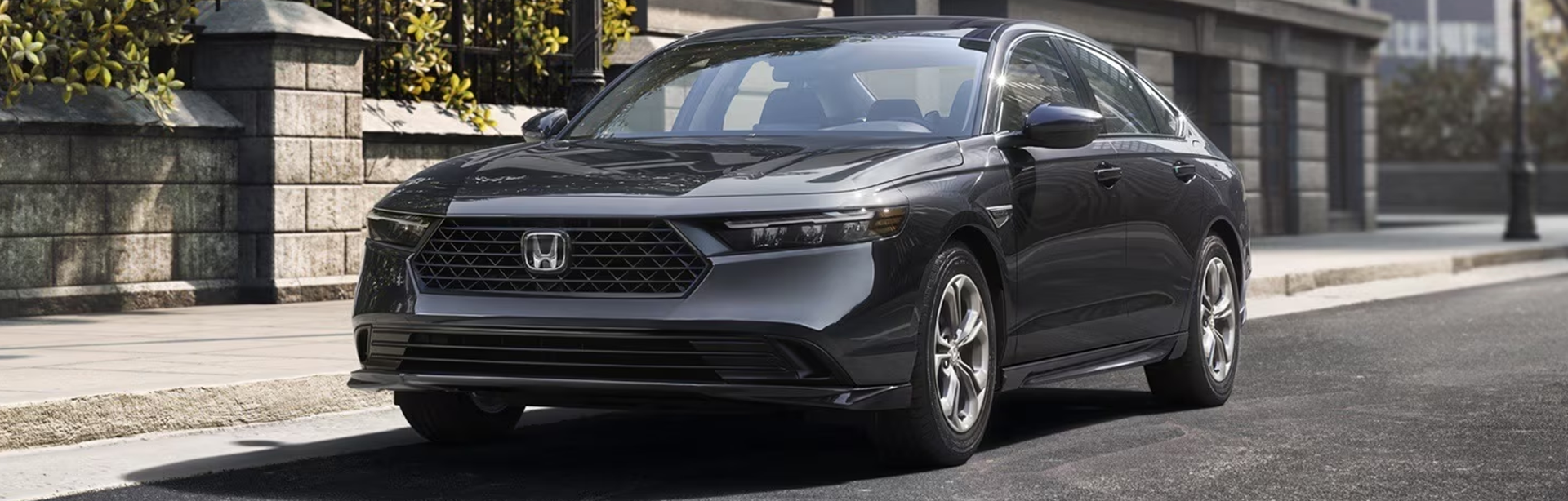

Key Features of the 2026 Honda Accord
Performance
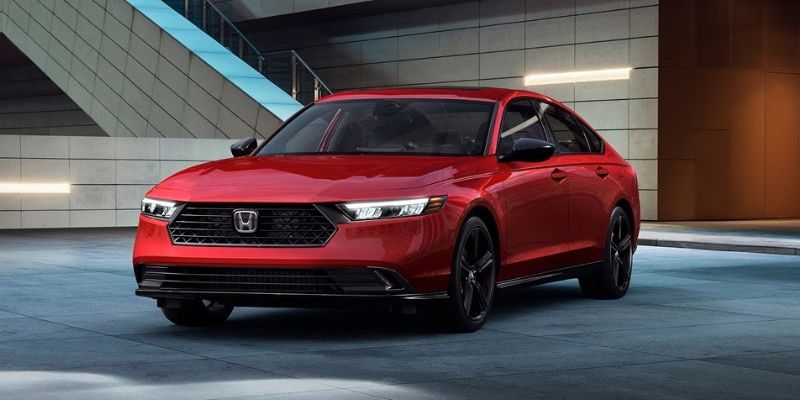
One of the best parts of getting behind the wheel of the 2026 Honda Accord is its unique balance of horsepower and handling. Capable of achieving 32 MPG combined (29 city/37 highway), the new Accord is both a city slicker and an interstate icon. The reliable performance platform offered by Honda is complemented by an updated handling package, including a strengthened chassis and dynamic steering. This car also offers the following:
- Responsive Steering
- Available Hybrid Powertrain
- Continuously Variable Transmission (CVT)
Technology
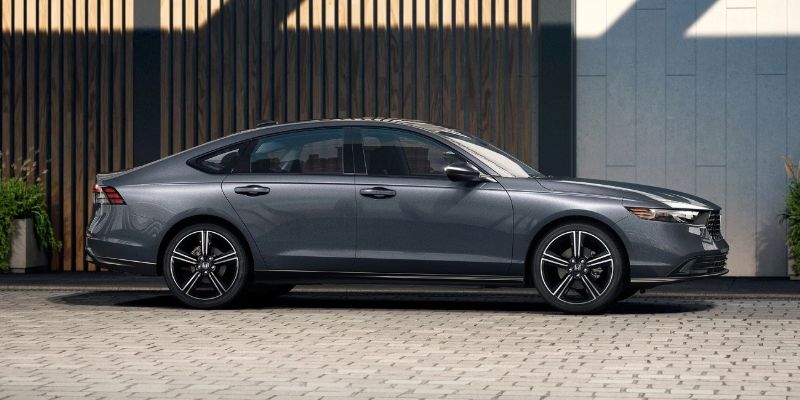
What’s in the cabin is just as important to today’s car shoppers as what’s under the hood. Honda offers available features and safety systems designed to help you avoid accidents and to protect you and passengers from harm. The new Accord also comes equipped with an intuitive and engaging infotainment system stocked with available features including smartphone compatibility and a Wi-Fi hotspot. The Accord also offers the following:
- Blind Spot Information System
- Adaptive Cruise Control with Low-Speed Follow
- Lane Keeping Assist System
Design
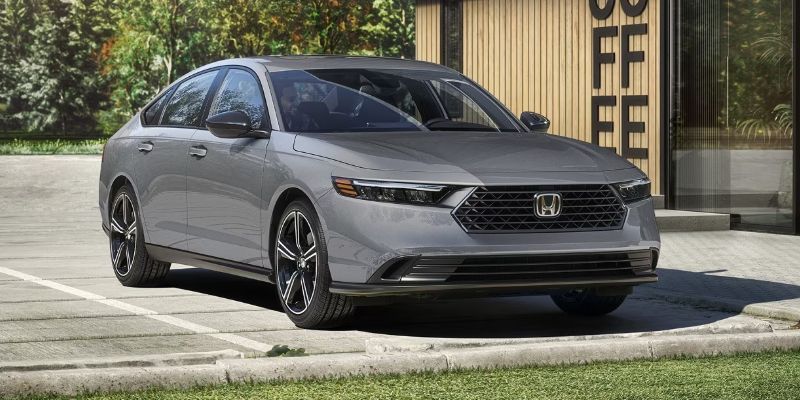
You need look no further than the new Accord to find a car that delivers a tremendous amount of practical value using design elements that are both modest and stylish. The 2026 Accord sports a unique, aerodynamic profile, which is only complemented by its sporty and peppy stance. The interior of the new Accord defies expectations of typical cars, providing drivers and riders alike with a spacious and comfortable cabin. Below are a few more available design features of this car:
- Large Touchscreen Infotainment System
- Spacious 5-Passenger Cabin
- LED Headlights & Taillights
Experience the 2026 Honda Accord in Asheboro, NC
There’s no better place to familiarize yourself with the new Accord than Asheboro Honda. Browse our inventory of new Honda cars for sale in Asheboro, NC to zero in on your favorite model. While you’re at it, make sure to peruse our monthly rotation of new Honda specials.*MSRP: Starting price represents the manufacturer’s suggested retail price (MSRP) for the trim. The MSRP does not include destination and handling charges, taxes, title, license, options, and dealer charges. Actual prices are set by the dealer and may vary. Photo is for marketing and example purposes only. Photo may not reflect starting MSRP or trim level.\n**EPA-estimated MPG for City/Highway for 2026 Honda Accord . Actual mileage will vary. Displayed MPG is based on applicable EPA mileage ratings. Use for comparison purposes only. Your actual mileage will vary, depending on how you drive and maintain your vehicle, driving conditions, battery pack age/condition (hybrid models only) and other factors.
Here’s Why We’re Excited About the 2026 Honda Pilot
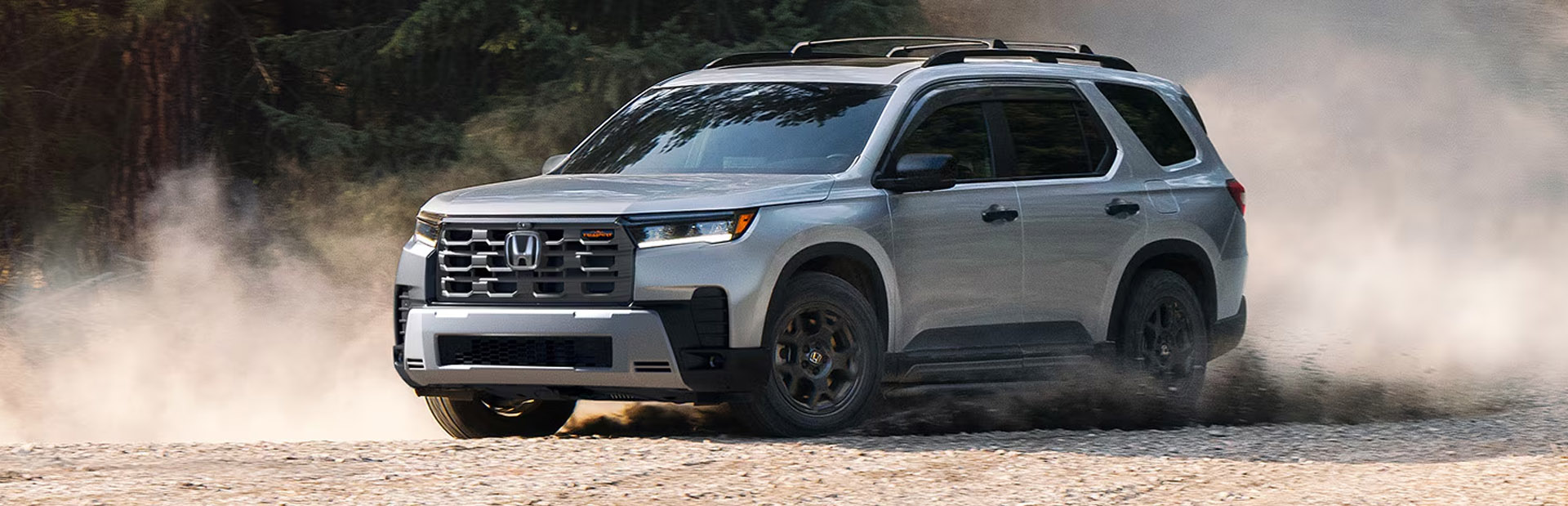

Up Close With the 2026 Honda Pilot
Performance
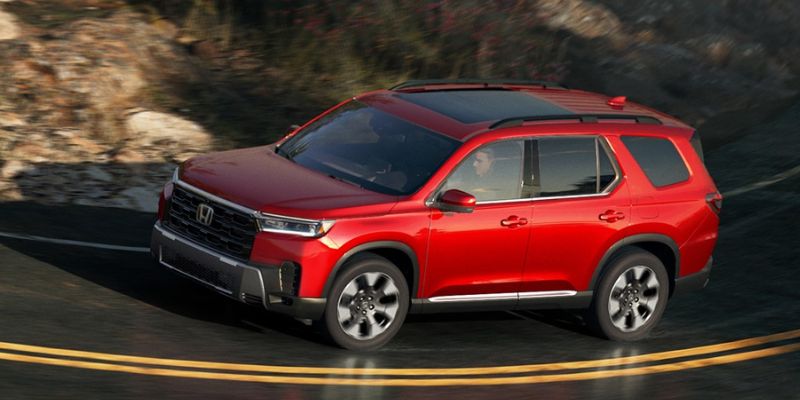
When you’re looking for a new SUV, you want a car that doesn’t waste time accelerating, but also one that you can rely on in adverse conditions. For its 2026 model, the Pilot is available with a powertrain that can put out up to 285 horsepower. All that’s left is to upgrade the drivetrain for improved traction in uncertain road conditions. Some other standout performance features on this model are:
- Lane Keeping Assist System (LKAS)
- Enhanced Electric Power Steering
- Independent Suspension & Engineered Body Structure
Technology

Every trip in the Pilot is more engrossing thanks to intuitive technology designed to keep you plugged in. The Pilot punctuates its digital experience with infotainment and navigation features that stack up well with the best the market has to offer. Below are a few more available technology features of this SUV:
- Adaptive Cruise Control (with Low-Speed Follow)
- Honda Sensing® Suite
- Collision Mitigation Braking System™ (CMBS™)
Design
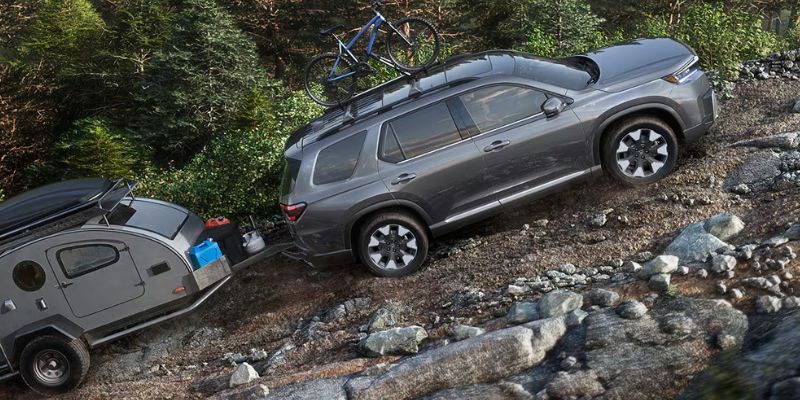
You know the new Pilot has a sturdy exterior, but have you seen what you can do inside? Everything in the cabin embodies the modern driving experience down to the 113.7 cu ft of cargo space. The point? Drivers won’t mind handing the keys over to ride shotgun in the Pilot. The design features of the Pilot don’t end there. You’ll also enjoy these:
- Bold, Rugged Front Grille Design
- LED Headlights & DRLs (Daytime Running Lights)
- Available 20-inch Alloy Wheels
*MSRP: Starting price represents the manufacturer’s suggested retail price (MSRP) for the trim. The MSRP does not include destination and handling charges, taxes, title, license, options, and dealer charges. Actual prices are set by the dealer and may vary. Photo is for marketing and example purposes only. Photo may not reflect starting MSRP or trim level.\n**EPA-estimated MPG for City/Highway for 2026 Honda Pilot . Actual mileage will vary. Displayed MPG is based on applicable EPA mileage ratings. Use for comparison purposes only. Your actual mileage will vary, depending on how you drive and maintain your vehicle, driving conditions, battery pack age/condition (hybrid models only) and other factors.
Author: Asheboro Honda Team
For Honda owners in Asheboro and nearby cities like Greensboro, High Point, Winston-Salem, and Lexington, trusting your dealership service center is crucial. With over 30 years in the community, Asheboro Honda understands the unique driving conditions and needs of local drivers. By choosing a dealership, you’re not just getting specialized care for your Honda; you’re investing in long-term peace of mind for your vehicle’s health. This guide will explore why a dealership service center provides the expertise and reassurance every Honda owner deserves.
The Expertise of Factory-Trained Honda Technicians is Unmatched
Choosing a Honda dealership means relying on technicians who have gone beyond basic training to receive specialized education directly from Honda. These factory-trained professionals possess an extensive understanding of Honda vehicles, from the precision engineering of models like the CR-V and Accord to the latest advancements in safety technology, such as the Honda Sensing® suite. Their expertise is tailored specifically to Honda, setting them apart from general mechanics.
For drivers navigating the unique driving conditions around Asheboro, Greensboro, and High Point, this specialization is crucial. Our technicians are familiar with the effects of local traffic patterns, such as the frequent stops along Sunset Avenue and the steep hills that can impact brake wear and engine performance. They also understand how the region’s summer humidity can affect air conditioning systems. This localized knowledge allows for more accurate diagnostics and repairs, ensuring that your Honda receives the best long-term care possible. With ongoing training, they stay current with the latest Honda innovations, offering a service level you won’t find at generic repair shops. For more insights on Honda vehicles, visit Honda’s official site.
The Advantage of Using Genuine Honda Parts
When it comes to maintaining your Honda, using the right parts is just as crucial as having the right technician. Genuine Honda Parts, also known as Original Equipment Manufacturer (OEM) parts, are specifically engineered to fit your vehicle perfectly. This means that whether you’re driving a CR-V to the North Carolina Zoo or an Accord through downtown Asheboro, these components provide quality and reliability that you can trust.
At our dealership, we prioritize your peace of mind by exclusively using these OEM parts, which are identical to those your vehicle was built with at the factory. This not only ensures consistency in performance but also upholds the safety and efficiency that Honda is known for. For drivers navigating stop-and-go traffic on Sunset Avenue or making weekend trips to Uwharrie National Forest, genuine parts can make all the difference.
Why Do OEM Parts Matter for Your Honda?
Perfect Fit and Function: OEM Honda parts are designed specifically for your vehicle, ensuring they fit perfectly and function as intended. This precise engineering means that whether you’re navigating the streets of Asheboro or cruising to Greensboro, you can rely on your Honda to perform optimally without any compatibility issues.
Durability and Quality: Genuine Honda parts are manufactured to high standards, providing exceptional durability and quality. This means they can withstand the rigors of daily driving-whether it’s a family trip to the North Carolina Zoo or a quick jaunt around town-giving you peace of mind and long-term reliability.
Warranty Protection: When you choose OEM parts, you often receive warranty protection that aftermarket parts may not offer. This means if an OEM part fails, it’s typically covered under warranty, providing an added layer of security for your investment and ensuring that your Honda remains in top condition.
While aftermarket parts can be a tempting choice, they come with higher risks, such as potential fit issues and shorter lifespans. Relying on trusted resources like Consumer Reports can help you understand the implications of using non-OEM parts. Sticking to genuine Honda parts ensures that your vehicle maintains the same high quality it had when it left the factory.
Specialized Honda Tools and Diagnostics Make a Difference

Today’s Honda vehicles are intricate machines with advanced electronic systems. To effectively diagnose and repair them, technicians need more than just basic tools. At Asheboro Honda, we utilize cutting-edge dealership diagnostic tools that are specifically engineered for Honda models. This technology enables our technicians to communicate directly with your vehicle’s systems, ensuring accurate assessments of its condition.
When a warning light activates on your dashboard, our specialized equipment can swiftly identify the exact issue, minimizing downtime and eliminating guesswork. This precision is especially crucial for addressing intermittent problems that may arise during local driving conditions, such as the stop-and-go traffic on Sunset Avenue or the varied routes around Uwharrie National Forest. While some independent shops may not have access to this proprietary technology, our dealership’s tools enhance reliability and speed in repairs, ultimately providing peace of mind for Asheboro drivers.
Dealership Service Protects Your Investment
When you invest in a Honda, preserving its value is crucial, especially in the bustling market around Asheboro. Keeping a complete service history stamped by the dealership not only showcases that your vehicle has received high-quality care but also creates an official, verifiable log. This comprehensive record becomes invaluable when you decide to sell or trade in your vehicle, as it builds buyer confidence and can significantly enhance its resale value.
A full service history from an authorized Honda dealership is a testament to the vehicle’s maintenance according to the manufacturer’s standards. Trusted resources like Kelley Blue Book frequently highlight how well-documented service records can lead to better pricing in the resale market. This transparency reassures potential buyers, making your Honda a more appealing option compared to others without such documentation. For drivers in Asheboro and nearby areas, investing in dealership service is a strategic move for maintaining your vehicle’s value over time.
Honda Warranty and Recall Support
When your Honda is still under its factory warranty, visiting your local dealership is the most efficient way to handle in-warranty repairs. Covered repairs are typically completed at no cost to you, and the dealership handles all the necessary paperwork directly with Honda. This means you can enjoy a hassle-free experience while ensuring your vehicle is well taken care of.
In addition to warranty work, dealerships serve as the primary contact for safety recalls. Manufacturers promptly notify them about any recalls, ensuring that the right parts and procedures are in place for swift repairs. This proactive management helps keep your Honda safe and compliant with factory standards. If you’re curious about recalls, you can check your vehicle’s status on the NHTSA or the Honda Owners site, but rest assured, your local dealership will carry out the necessary repairs. Reliable sources like Consumer Reports highlight how essential it is to stay informed about recalls for peace of mind on the road.
Frequently Asked Questions (FAQs)
Is it more expensive to have my Honda serviced at a dealership?
While dealership service may have higher initial costs, the value comes from using genuine parts and expert technicians. This investment helps maintain your Honda’s resale value and ensures longevity, making it a smart choice for Asheboro drivers.
Can I get my new Honda serviced at an independent shop without voiding the warranty?
Yes, you can service your Honda at an independent shop without voiding the warranty, as long as you use OEM-equivalent parts and keep detailed service records. However, choosing a dealership often provides peace of mind with factory-trained technicians.
How do I find a reputable Honda dealership for service?
Look for dealerships that have been part of the Asheboro community for years and have strong customer reviews. A reputation for transparency and quality service is key; it signals a place you can trust for your vehicle’s care.
What kind of amenities do dealership service centers offer?
Many Honda dealerships provide amenities like free Wi-Fi, comfortable waiting areas, complimentary coffee, and shuttle services. For longer repairs, you might even receive a loaner vehicle, making your service visit more convenient.
My Honda is older and out of warranty. Is it still worth going to the dealership?
Absolutely! The expertise of factory-trained technicians and the assurance of genuine parts are crucial for older vehicles. Regular service at a dealership can help extend the life of your high-mileage Honda, keeping it reliable for trips to the North Carolina Zoo or Lake Lucas.
How do I know if my Honda has an open recall?
You can check for recalls by entering your Vehicle Identification Number (VIN) on the NHTSA website or the Honda Owners site. Your dealership can also assist with recall checks and any necessary repairs, ensuring your vehicle remains safe on Asheboro’s roads.
About Asheboro Honda
Asheboro Honda, a family and veteran-owned dealership serving the community since 1996, is proud to be the #1 new car volume dealer in Randolph County and southern Greensboro. Recognized for excellence, Asheboro Honda has earned prestigious accolades like the Honda Presidents Circle and the Better Business Bureau’s Torch Award for Ethics. Beyond sales, we are deeply committed to our community, supporting initiatives like the United Way car giveaway and the Santa Sleigh project, which brings joy to children in need every holiday season.
Related Articles:
The Ultimate Guide to Finding Your Perfect Honda Dealer in Asheboro, NC
Honda Recommended Maintenance: Why It Matters

Author: Asheboro Honda Team
For drivers in Asheboro, Greensboro, High Point, Winston-Salem, and Lexington, staying on top of recommended maintenance is crucial for preserving your vehicle’s reliability and performance. At Asheboro Honda, we have over three decades of local experience, which has given us a deep understanding of the unique driving conditions and roads in our area-whether navigating the bustling streets of downtown or making family trips to the North Carolina Zoo. Following Honda’s maintenance schedule isn’t just a good idea; it’s essential for ensuring your vehicle endures the daily demands of Piedmont life while providing the durability you expect on our local terrain.
What Does “Recommended Maintenance” Truly Mean for Your Honda?
For Honda owners, recommended maintenance is like a health plan for your vehicle, designed by Honda engineers to ensure your car remains in peak condition. It’s not just about routine oil changes; it’s a comprehensive schedule that includes regular inspections, fluid replacements, and checks on critical components based on your car’s age and mileage. For drivers in Asheboro, Greensboro, High Point, Winston-Salem, and Lexington, this maintenance schedule serves as a reliable guide for achieving a long, trouble-free ownership experience.
Imagine your Honda is like your own health-just as you wouldn’t skip check-ups and vaccinations, your car requires regular service to sustain its performance and longevity. This includes everything from checking the brakes and tires to replacing engine fluids, ensuring your vehicle can handle the unique demands of local driving. Whether you’re navigating the rolling hills toward Uwharrie National Forest or making quick trips across town, adherence to this maintenance roadmap keeps your Honda ready for anything.
How Does Regular Service Enhance Your Honda’s Safety?
Regular maintenance is essential for ensuring the safety of you and your passengers as you navigate the diverse driving conditions around Asheboro, Greensboro, High Point, and Winston-Salem. Key safety systems-like brakes and tires-require periodic attention to perform optimally. Here’s why this matters: whether you’re driving along Sunset Avenue or handling the stop-and-go traffic near the North Carolina Zoo, well-maintained vehicles provide the confidence you need on every journey. For more insights on vehicle safety, visit the NHTSA.
Why Are Brake Inspections and Fluid Changes Critical?
Ensuring your brakes function correctly is a vital safety measure, especially for drivers in Asheboro where humid summers and heavy rain can impact braking performance. Regular brake inspections and fluid changes not only enhance your vehicle’s responsiveness but also provide peace of mind as you navigate local roads.
Brake Pad & Rotor Checks: Regular inspections, often included in Honda’s maintenance services, help assess the condition of your brake pads and rotors. Given Asheboro’s unique traffic patterns, where sudden stops on Sunset Avenue or during downpours are common, ensuring your brakes are in top shape is crucial for your safety and the safety of others on the road.
Brake Fluid Replacement: Many manufacturers recommend periodic brake fluid service, typically every 2-3 years, depending on model and driving conditions. In Asheboro’s humid climate, brake fluid can absorb moisture, reducing its effectiveness. Keeping your brake fluid fresh is essential for maintaining hydraulic pressure, ensuring that your brakes respond effectively when you need them most, whether you’re heading to the North Carolina Zoo or navigating through busy intersections.
How Does Tire Maintenance Contribute to Safety?
Your tires are the sole point of contact between your vehicle and the road, making their maintenance crucial for grip, handling, and stability, especially on Asheboro’s varied terrains. Properly maintained tires enhance your driving experience, whether you’re navigating the winding roads near Uwharrie National Forest or making quick trips around downtown Asheboro.
Tire Rotations: Regular tire rotations are essential for promoting even wear, which ultimately leads to more predictable handling. This is particularly important when driving on local roads that may have varying surfaces or while maneuvering through stop-and-go traffic on Fayetteville Street. Consistent rotations help maintain stability, especially during wet conditions, extending the life of your tires.
Tire Pressure: Maintaining proper tire pressure is equally vital. Underinflated tires can overheat and increase the risk of a blowout, which is especially concerning during the hot summer months in North Carolina. Checking your tire pressure monthly is a simple yet impactful habit that ensures optimal performance and safety, helping you save on fuel and enhance your driving confidence.
Why is Routine Maintenance a Smart Financial Decision?

Many Asheboro drivers might think they’re saving money by skipping maintenance, but this short-term mindset can lead to higher expenses down the line. Regular maintenance acts as a safeguard for your vehicle’s value and your long-term budget. By adhering to your Honda’s recommended service schedule, you’re ensuring your vehicle operates efficiently and retains its worth.
For example, unexpected repair costs can disrupt your financial plans, while routine service allows for predictable expenses. When you plan maintenance, you avoid the stress of surprise breakdowns that can happen during a drive down Sunset Avenue or on the way to Lake Lucas. This proactive approach not only supports your vehicle’s reliability but also enhances your driving experience in Asheboro.
How Does Maintenance Preserve Your Car’s Value?
Maintaining your Honda with documented service history significantly boosts its resale and trade-in value. A complete record of maintenance not only indicates that the vehicle has been well cared for but also fosters confidence among potential buyers and appraisers. Research from Kelley Blue Book highlights that such documentation is a key factor in justifying higher prices, as buyers are generally willing to pay a premium for vehicles that offer peace of mind regarding their condition.
For Asheboro drivers, being organized with service records-whether digital or on paper-can make a notable difference when it comes to selling or trading in your Honda. Keeping track of maintenance like oil changes, tire rotations, and fluid exchanges ensures that you present a well-maintained vehicle, which can significantly influence its market value. It’s not just about immediate benefits; consistent maintenance pays off in the long run, making your vehicle more appealing to prospective buyers when it’s time to move on.
Can Following the Schedule Really Prevent Expensive Repairs?
Yes, following a regular maintenance schedule can significantly reduce the chances of costly repairs. During routine service, Honda-trained technicians can catch early signs of wear-such as a fraying serpentine belt or a minor fluid leak-before they escalate into major issues. For instance, if you’re driving your Honda Accord and notice uneven tire wear, it might indicate an alignment issue. Addressing this promptly can save you from the expense of replacing tires prematurely.
Consider the timing belt in models like the Honda CR-V. Replacing it at the recommended interval is far less costly than the extensive engine repairs required if the belt snaps. Ignoring that small maintenance task can lead to significant engine damage, so keeping up with your service schedule not only provides peace of mind but can also save you from unexpected, high repair bills. For more insights on vehicle maintenance, check out Consumer Reports.
How is Honda Maintenance Tailored for North Carolina’s Climate?
The maintenance schedule for your Honda is crafted to accommodate a variety of driving conditions, yet it’s the local expertise that fine-tunes this plan specifically for Asheboro’s unique climate. Hot summers and high humidity can affect vehicle performance, and our knowledgeable technicians are here to ensure that your Honda is prepared for these conditions.
In Asheboro, where summer heat can lead to increased wear on components like tires and brakes, local technicians interpret the OEM schedule to recommend more frequent checks. For instance, during particularly humid months, they may suggest more regular inspections of your vehicle’s air filters and fluid levels to keep everything running smoothly. Whether you’re navigating the traffic on Sunset Avenue or making trips to Lake Lucas Park, having a maintenance plan tailored to our climate helps ensure your Honda remains reliable and efficient.
Humidity and Heat Considerations
Increased Maintenance Frequency: Given the high humidity levels typical in Asheboro, it’s important to monitor your vehicle’s air conditioning system closely. Local technicians often recommend checking the A/C system more frequently to ensure optimal performance during the sweltering summer months.
Impact on Tires: Heat can cause tire pressure to fluctuate, which is why local experts stress the importance of regular tire inspections, especially before long drives or family outings.
Filters and Fluid Checks
Air Filter Maintenance: Humidity can lead to increased moisture in the air, affecting your Honda’s engine performance. Technicians may suggest more frequent air filter replacements to ensure clean airflow, especially for models like the CR-V and Accord that are frequently used for family trips.
Fluid Levels: Regular checks on your vehicle’s fluids, particularly coolant and oil, are crucial in Asheboro’s climate. Local technicians know that higher temperatures can lead to quicker degradation, prompting recommendations for more frequent top-ups or changes.
What Effect Does Humidity and Heat Have on Your Vehicle?
During the sweltering, humid summers in Asheboro, your vehicle faces considerable stress that impacts its key systems. Understanding how high heat and moisture influence your vehicle can help you maintain its performance and avoid frustrating breakdowns.
Engine Cooling System: When temperatures soar, your engine cooling system must work harder to prevent overheating. Regular coolant checks and maintenance help ensure your system operates efficiently, protecting against costly repairs and keeping your commute smooth.
Battery Life: Excessive heat can shorten your battery’s lifespan by speeding up corrosion and weakening its charge. It’s essential to routinely inspect battery terminals and check charge levels, especially if you frequently make short trips or park in the direct sun. A little preventive care can save you from unexpected no-start situations during the hottest days.
A/C System: A well-maintained A/C system is crucial for comfort during sticky summers. Ensuring that the cabin air filter is clean and the system is serviced allows for optimal cooling efficiency. This enhances your driving comfort and reduces the load on your engine.
Why is Filter Replacement So Important in the Piedmont Triad?
The Piedmont Triad is not just known for its scenic landscapes but also for the high pollen counts in spring and the constant presence of dust and debris throughout the year. For drivers in Asheboro and nearby areas, such as Greensboro and Winston-Salem, maintaining clean engine and cabin filters becomes essential to ensure vehicle performance and personal comfort.
Engine Air Filter: In a region where pollen and dust are prevalent, a clogged engine air filter can significantly impair airflow, leading to decreased horsepower and reduced fuel efficiency. Regular replacement of this filter helps your vehicle breathe easier, ensuring optimal engine performance and longevity. Keeping your engine’s filtration system clean supports better acceleration and fuel economy, which is especially beneficial for navigating the busy streets of Asheboro.
Cabin Air Filter: The cabin air filter plays a crucial role in maintaining a healthy driving environment. In our area, this filter captures pollen, dust, and other allergens, making your drives more pleasant, especially during allergy season. For families commuting to the North Carolina Zoo or enjoying weekends at Lake Lucas, a clean cabin air filter not only enhances comfort but also ensures that everyone inside breathes cleaner air. Replacing it annually is a smart choice for local drivers who want to stay comfortable and avoid respiratory irritations while on the road.
Frequently Asked Questions (FAQs)
How do I know what maintenance my specific Honda needs?
Your owner’s manual is the best resource for understanding the maintenance schedule tailored to your Honda model and year. Additionally, using the official Honda Owners website can provide up-to-date guidance based on your vehicle’s mileage and age, ensuring you stay on top of necessary services.
What’s the difference between “required” and “recommended” service?
“Required” services are those essential for your vehicle’s safe operation and to maintain your warranty, such as regular oil changes and brake inspections. In contrast, “recommended” services, like more frequent tire rotations due to Asheboro’s varied road conditions, help enhance your vehicle’s performance and longevity.
I bought a pre-owned Honda. How should I approach maintenance?
Starting with a comprehensive inspection at a reputable service center is a good idea if you lack the full service history. From there, an oil change and checking all fluids will establish a fresh baseline, ensuring your Honda is in optimal condition as you enjoy drives around Lake Lucas or to the North Carolina Zoo.
Does using a non-dealership service center void my Honda warranty?
No, servicing your Honda at non-dealership centers won’t void your warranty, provided all required maintenance is performed and you keep detailed records. This ensures that your vehicle remains compliant with Honda’s specifications, which is important for maintaining your warranty coverage.
Is synthetic oil worth the extra cost for my Honda?
Absolutely, synthetic oil is often recommended for modern Honda vehicles. It offers superior engine protection, performs better in extreme conditions-like the heat of Asheboro’s summers-and extends the time between oil changes, which can offset its higher initial cost over time.
My check engine light is on. Is that related to routine maintenance?
It could be. The check engine light indicates a potential issue detected by your vehicle’s diagnostics, which might range from something minor like a loose gas cap to more serious maintenance needs. It’s wise to have the code read by a professional to accurately diagnose the problem, ensuring your Honda remains reliable on the roads.
About Asheboro Honda
Asheboro Honda, a family and veteran-owned dealership serving the community since 1996, is proud to be the #1 new car volume dealer in Randolph County and southern Greensboro. Recognized for excellence, Asheboro Honda has earned prestigious accolades like the Honda Presidents Circle and the Better Business Bureau’s Torch Award for Ethics. Beyond sales, we are deeply committed to our community, supporting initiatives like the United Way car giveaway and the Santa Sleigh project, which brings joy to children in need every holiday season.
Related Articles:
The Ultimate Guide to Finding Your Perfect Honda Dealer in Asheboro, NC
Honda Recommended Service Schedule Explained
Author: Asheboro Honda Team
Welcome to your personalized maintenance guide for Asheboro drivers! At Asheboro Honda, we’ve spent decades earning the trust of our community, understanding the unique driving conditions in our area from the bustling streets of Greensboro to the quieter routes of Lexington. Whether you navigate the busy traffic on Sunset Avenue or enjoy weekend trips to Uwharrie National Forest, this guide is designed specifically for the local climate and road conditions. We’re here to help you keep your Honda running smoothly, drawing from our extensive experience in servicing vehicles to ensure your car remains reliable, efficient, and ready for any adventure.
Why Should You Follow a Maintenance Schedule for Your Honda?
Adhering to a maintenance schedule is essential for protecting your investment in a Honda and ensuring its reliability, especially in the unique climate of North Carolina. Here in Asheboro, the combination of high summer temperatures and humidity can strain fluids, while the seasonal pollen can quickly clog air filters. By following the recommended maintenance, you can tackle these local conditions head-on, keeping your Honda running smoothly through daily trips to the North Carolina Zoo or commutes along US-220.
Regular service not only enhances your vehicle’s performance and fuel efficiency but also ensures your safety on the road. A well-maintained Honda, whether it’s a CR-V, Accord, or Civic, is better prepared for the challenges of local driving, like stop-and-go traffic on Sunset Avenue or quick jaunts to Lake Lucas Park. It’s not just about avoiding breakdowns; it’s about experiencing peace of mind knowing your vehicle operates as intended. For additional insights into maintaining your vehicle, consider checking out resources like Edmunds.
How Does Honda’s Service Reminder System Work?
Many Honda vehicles provide reminders for routine maintenance that can vary based on your specific model and year. These reminders may be based on a straightforward time or mileage counter, or they might adjust according to how you use the vehicle. This flexible approach helps ensure you know when it’s time to check on your vehicle’s maintenance needs.
When it’s time for service, you might see a dashboard message, a service indicator like a wrench light, or a maintenance reminder. Some models may even show an oil-life percentage. Because the exact notifications can differ by model, it’s important to refer to your owner’s manual. Additionally, local driving habits-like frequent short trips or stop-and-go traffic in Asheboro and nearby Greensboro, High Point, Winston-Salem, and Lexington-can influence how often you need to service your vehicle.
What Does the Primary Service Reminder Mean?
After understanding how service reminders work in general, it’s important to know what the primary reminder indicates for your vehicle. Essentially, this is a high-level alert signaling that scheduled maintenance is due or approaching. Depending on the model, this reminder might be a simple message or light, while others may provide more context through a maintenance menu or dashboard display. Since the specifics can vary widely by vehicle, it’s best to consult your owner’s manual or the in-vehicle maintenance screen for detailed information on what services are actually due.
Primary reminder: This serves as a general cue to review your vehicle’s maintenance schedule and plan for upcoming service. It typically indicates that maintenance is due, though it may not specify every individual service item.
Additional details (if shown): Some vehicles offer extra information, such as a maintenance screen, percentage indicators, or symbols, which can help clarify what needs attention. If your vehicle provides these details, refer to them alongside the owner’s manual to verify the recommended services.
What Do Additional Service Indicators Mean?
Many vehicles go beyond the primary service reminder by offering additional indicators, which can include extra items, symbols, or menu entries. These details help you identify what type of service may be approaching, though their specific meanings can vary by vehicle. Familiarizing yourself with these indicators can enhance your understanding of your vehicle’s maintenance needs.
- Regular tire rotation promotes even tread wear, which is especially important if you frequently drive in stop-and-go traffic around Asheboro or make short trips to the North Carolina Zoo.
- Engine air filters ensure proper airflow to the engine, while cabin air filters maintain air quality inside your vehicle. With the pollen season and dust common in Greensboro, checking these regularly is beneficial.
- Some vehicles may recommend transmission fluid service based on driving patterns. Frequent short trips or hilly driving, like those on US-220, can affect your transmission’s performance over time.
- Spark plugs may need replacement at specified intervals, and some engines might require a valve inspection. This is especially relevant for older vehicles or those with higher mileage.
- Coolant is vital for regulating engine temperature. Hot weather during summer drives to Lake Lucas Park can increase the cooling system’s demands, making this maintenance essential.
- Vehicles with AWD or 4WD may require differential fluid service. Driving on wet or uneven surfaces, common in the Uwharrie National Forest area, can put extra stress on these components.
- As brake fluid ages, it can absorb moisture, impacting braking performance. If your vehicle indicates brake fluid service, it’s important to follow the recommended schedule to ensure safety.
What is a Typical Honda Service Schedule for Asheboro Drivers?
Even if your Honda vehicle offers service reminders or maintenance information on the dashboard, having a general understanding of typical maintenance timelines can be incredibly useful for planning ahead. This overview serves as a helpful reference to complement your owner’s manual and any in-vehicle guidance (if equipped), particularly tailored for the driving conditions in North Carolina. Consider factors like short trips around Downtown Asheboro, stop-and-go traffic on Sunset Avenue, and seasonal weather changes as you anticipate your vehicle’s service needs.
What Services Are Needed in the First 30,000 Miles?
During the initial 30,000 miles of ownership, drivers typically focus on foundational services such as routine oil changes, tire rotations, and ensuring filters are clean. The exact timing for these services can vary based on the specific Honda model, driving habits, and the recommendations found in the vehicle’s owner’s manual.
Oil service: Most vehicles will require an oil change at regular intervals, depending on usage patterns. For those who frequently navigate the stop-and-go traffic of Sunset Avenue or Fayetteville Street in Asheboro, it’s common for oil changes to come up sooner than those who drive primarily on highways.
Tires and filters: Tire rotations are often scheduled alongside oil services to promote even tire wear. In addition, engine and cabin air filters should be monitored closely, especially in areas affected by seasonal pollen and dust from nearby construction.
What Maintenance Should Be Done Between 30,000 and 60,000 Miles?
As your Honda approaches the 30,000 to 60,000 mile mark, maintenance shifts from basic upkeep to more critical services that protect key systems. The specific needs can vary widely based on your model, powertrain, and driving patterns, especially here in Asheboro and surrounding areas. Always refer to your owner’s manual and any in-vehicle maintenance information for precise guidance.
Transmission fluid: Transmission fluid service is vital, particularly for vehicles that experience frequent stop-and-go driving or short trips. Well-maintained transmission fluid is crucial for ensuring smooth gear shifts and extending the life of this complex system.
Brake fluid, brakes, and tires: Brake fluid replacement is important as it can degrade even with low mileage. Regular inspections of your brakes and tires become increasingly crucial during this period, as reliable stopping power is essential for safe driving in varied weather conditions.
What Major Services are Required Approaching 100,000 Miles?
As your Honda approaches the 100,000-mile mark, several important maintenance services often come into play. The exact timing for these services can vary based on the specific model and engine type, so it’s always best to consult your owner’s manual for guidance tailored to your vehicle.
Spark plugs: Fresh spark plugs are essential for maintaining efficiency and smooth operation, ensuring reliable starts and optimal fuel economy as wear accumulates over the years.
Timing belt (if equipped) and coolant service: Some older Honda engines utilize a timing belt, while many modern engines are equipped with timing chains that generally do not need routine replacement. Additionally, coolant service is advised to protect the cooling system from corrosion and overheating in the long run. Staying up-to-date with these services not only enhances reliability but also helps protect your vehicle’s resale value over time.
Why is Local Expertise Important for Servicing Your Honda?
For drivers in Asheboro, having a service team that knows the local climate and driving conditions is invaluable. The summer heat and humidity can put extra strain on components like your A/C system and engine coolant, while the fine red clay prevalent in our area can clog air filters faster than in other regions. Additionally, as pollen fills the air each spring, your vehicle’s filters can become overwhelmed, affecting performance. Our technicians are well-versed in these specific regional challenges, allowing them to identify wear patterns unique to local driving, whether you’re navigating the busy streets of Greensboro or cruising along the rural routes near Lexington.
By understanding these factors, our team ensures your Honda runs smoothly and efficiently. For further reading on vehicle safety and maintenance, you can visit the National Highway Traffic Safety Administration (NHTSA) website, along with the official Honda Owners site for model-specific resources.
Frequently Asked Questions (FAQs)
How often should I really change my oil in North Carolina’s climate?
Your vehicle’s service reminder or owner’s manual is the best guide, as oil change intervals can differ based on driving habits and conditions. In Asheboro’s hot, humid summers, many drivers find that oil changes are recommended based on the vehicle and oil type.
Are all-season tires enough for the Asheboro area?
For most of the year, high-quality all-season tires perform well in Asheboro’s climate, providing reliable traction for the typical rain and mild winters. If you frequently drive in the area, such as along Sunset Avenue or during visits to the North Carolina Zoo, these tires should meet your needs.
Does commuting on local highways affect my service intervals?
Yes, it does. Frequent stop-and-go traffic on highways like US 220 can place additional stress on your engine and brakes compared to steady highway driving. If your vehicle has a service reminder system, it may suggest services more frequently due to these conditions.
With all the pollen, how often should I change my cabin air filter?
We recommend checking your cabin air filter annually, especially after the heavy pollen season in spring. Many local drivers find that replacing it helps keep the air inside their Honda clean and ensures the A/C system runs efficiently.
Is AWD worth it for this area?
While not essential for everyone, a Honda with available AWD can provide significant advantages during North Carolina’s sudden downpours. It enhances stability and traction on wet roads, which is beneficial when driving through Asheboro’s neighborhoods or on highways.
My vehicle doesn’t have a service reminder system. What schedule should I follow?
For older models without a service reminder, it’s generally advisable to adhere to the service intervals in your owner’s manual for components like filters and fluids to maintain your vehicle.
About Asheboro Honda
Asheboro Honda, a family and veteran-owned dealership serving the community since 1996, is proud to be the #1 new car volume dealer in Randolph County and southern Greensboro. Recognized for excellence, Asheboro Honda has earned prestigious accolades like the Honda Presidents Circle and the Better Business Bureau’s Torch Award for Ethics. Beyond sales, we are deeply committed to our community, supporting initiatives like the United Way car giveaway and the Santa Sleigh project, which brings joy to children in need every holiday season.
Related Articles:
The Ultimate Guide to Finding Your Perfect Honda Dealer in Asheboro, NC
Connect with us


- July 2026
- June 2026
- May 2026
- April 2026
- March 2026
- February 2026
- January 2026
- December 2025
- November 2025
- October 2025
- September 2025
- August 2025
- July 2025
- June 2025
- May 2025
- April 2025
- March 2025
- February 2025
- January 2025
- November 2024
- October 2024
- September 2024
- August 2024
- July 2024
- June 2024
- May 2024
- April 2024
- February 2024
- January 2024
- December 2023
- October 2023
- July 2023
- June 2023
- May 2023
- April 2023
- March 2023
- November 2022
- September 2022
- August 2022
- July 2022
- June 2022
- May 2022
- April 2022
- March 2022
- February 2022
- January 2022
- December 2021
- November 2021
- October 2021
- September 2021
- August 2021
- July 2021
- June 2021
- May 2021
- April 2021
- March 2021
- February 2021
- January 2021
- December 2020
- November 2020
- October 2020
- September 2020
- August 2020
- March 2020
- February 2020
- January 2020
- December 2019
- November 2019
- October 2019
- September 2019
- August 2019
- July 2019
- June 2019
- May 2019
- April 2019
- March 2019
- February 2019
- December 2018
- November 2018
- October 2018
- September 2018
- August 2018
- June 2018
- May 2018
- April 2018
- March 2018
- February 2018
- December 2017
- November 2017
- October 2017
- August 2017
- July 2017
- June 2017
- May 2017
- April 2017
- March 2017
- February 2017
- January 2017
- December 2016
- November 2016
- October 2016
- September 2016
- August 2016
- July 2016
- June 2016
- May 2016
- April 2016
- March 2016